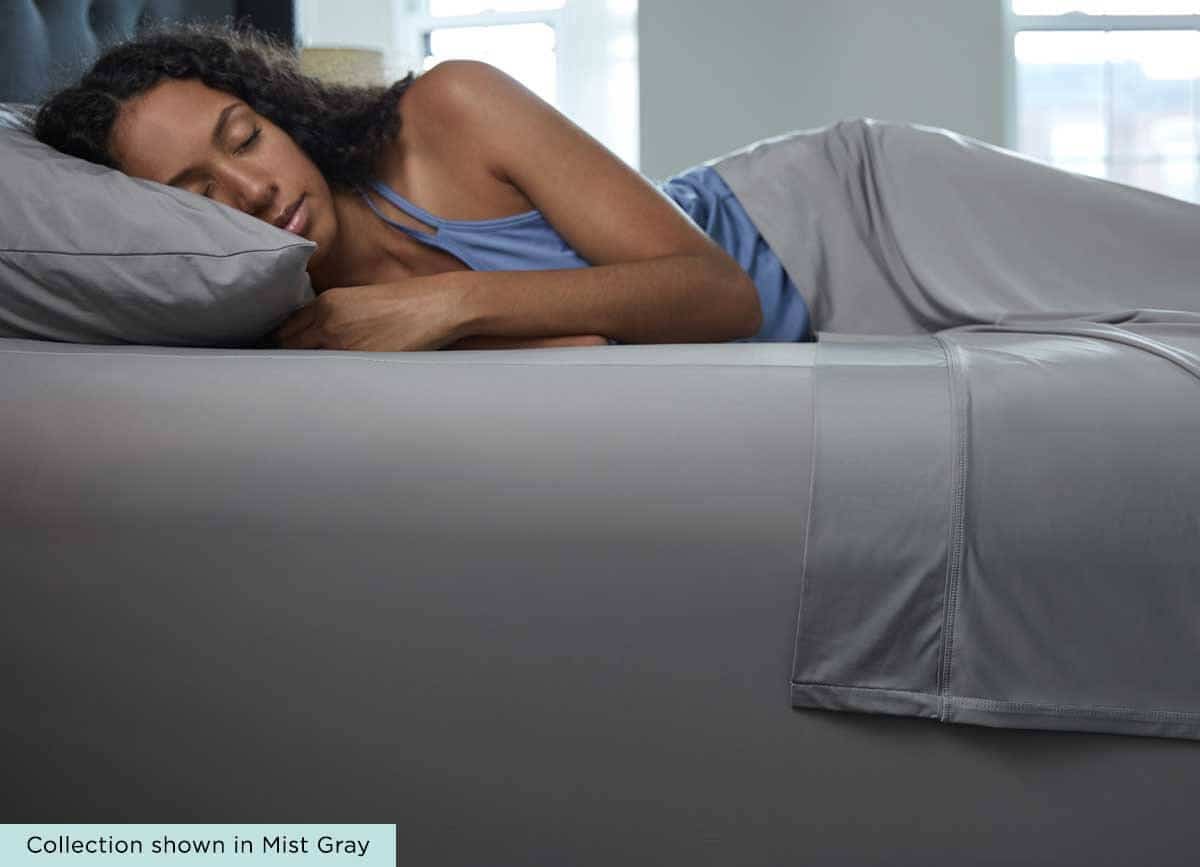
Your body temperature naturally drops at night and stays lower while you sleep—it’s a normal part of your circadian rhythm. But if your body doesn’t cool down enough before bed or if you overheat during the night, you may find yourself tossing, turning, and waking up frequently.
This is bad news for your health because to reach deep sleep, your body needs to cool down and stay cool. Ahead, we’ll explain the science of body temperature during sleep, why sleep temperature matters, and how you can prevent nighttime overheating with lifestyle changes and breathable bedding.
What Is Thermoregulation and Why Does It Matter for Sleep?
Thermoregulation is your body’s built-in system for keeping your internal temperature within a healthy range. For most healthy adults, a normal body temperature is in the range of 97.7°F to 99.5°F.
Temperature receptors in your skin and organs constantly send information to your hypothalamus, the part of your brain that helps regulate body temperature and sleep. When your body gets too hot or too cold, your hypothalamus triggers responses that bring your temperature back into balance. These responses can include:
- Sweating, which helps release heat as moisture evaporates from your skin.
- Shivering, which creates heat through rapid muscle contractions.
- Changes in blood flow, which help your body release or conserve heat.
- Heat production, which helps warm you up when temperatures drop.
Thermoregulation changes throughout the day. As bedtime approaches, your body temperature naturally starts to drop. This signals your brain that it’s time to rest. Your temperature continues to change as you move through different stages of sleep.
The Link Between Core Temperature, Deep Sleep, and REM Sleep
Deep sleep is a critical sleep stage. It’s when your brain consolidates memories and your body repairs tissues. To reach and sustain deep sleep, your core temperature must drop by 1-3 degrees Fahrenheit.
As the night wears on, you enter REM (rapid eye movement) sleep. During this stage, your body cannot regulate its temperature through sweating and shivering. This is why it’s so important to maintain a cool sleeping environment and invest in breathable bedding.
What Happens When You Can’t Cool Down
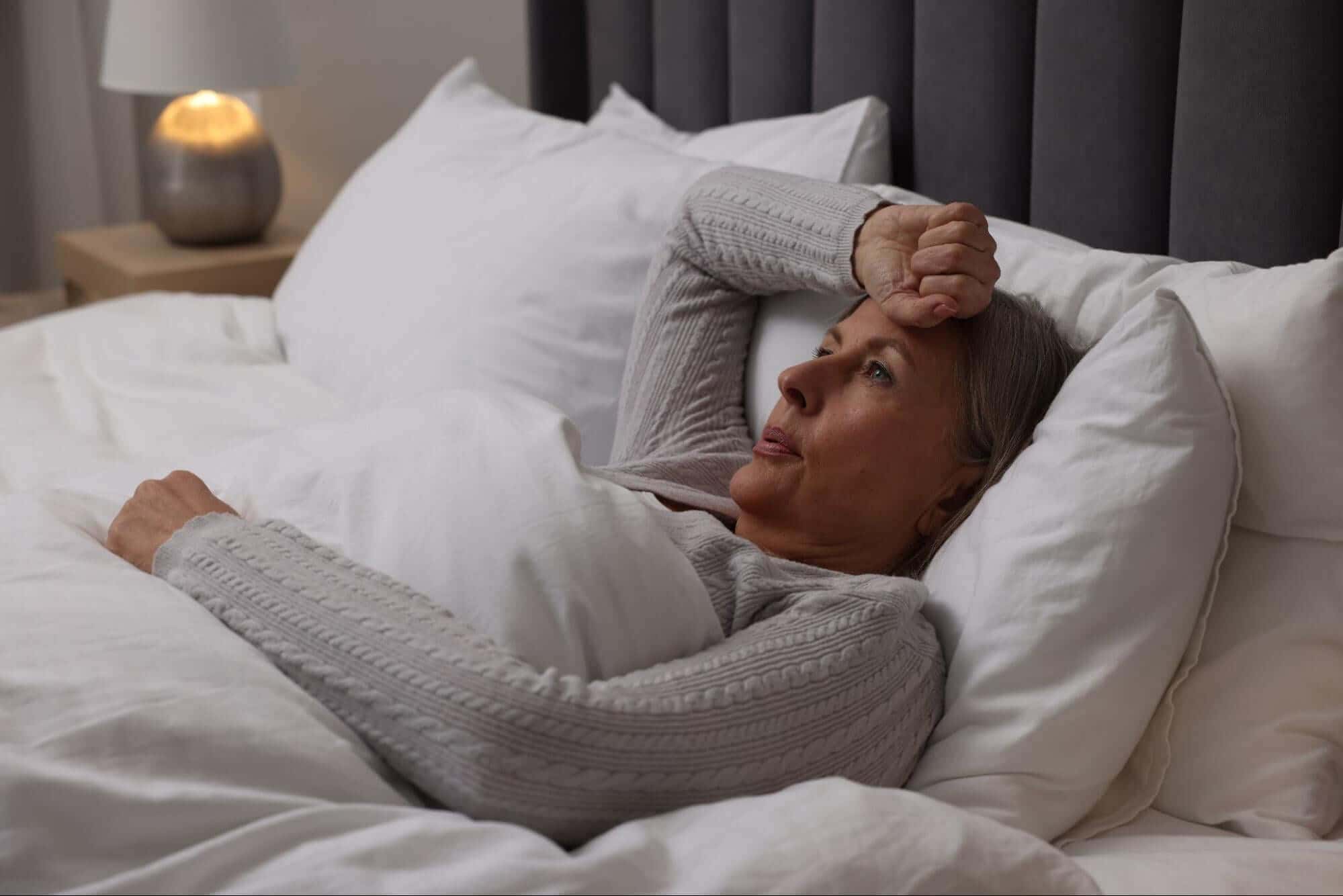
When your body can’t release enough heat, you’re more likely to wake up. Trapped heat can cause you to toss and turn or repeatedly kick off your covers.
These disruptions can interrupt your sleep cycles and keep you in lighter (less restorative) stages of sleep. If you find yourself waking up frequently or if you feel tired even after a full night in bed, odds are you’re not getting enough deep sleep. It’s time to find the root cause.
Why Some People Sleep Hot
Several factors can cause overheating and night sweats. These include:
- Metabolism: Your metabolism naturally generates heat, and a higher metabolic rate may cause you to feel warmer at night.
- Hormonal changes: Pregnancy and menopause can cause changes in body temperature, including hot flashes and night sweats.
- Exercise: Working out raises your core body temperature, which is why experts recommend avoiding vigorous activity for at least one hour before bedtime.
- Sharing a bed: Sleeping next to another person adds body heat and can make your bed feel warmer.
- Heat-trapping bedding: Thick, heavy bedding can trap heat and moisture close to your body, making you feel hot and sweaty.
These are just some of the most common causes of nighttime overheating. It’s important to get to the root of what’s causing you to sleep hot so you can address it.
How to Support Your Body’s Natural Cooling System
The conditions in your bedroom can make a big difference in how well you sleep. Most experts recommend keeping your bedroom between 60°F and 67°F, although your ideal temperature may vary. Here are some tips to stay cooler as you sleep:
- Keep your bedroom cool. If possible, lower your thermostat before bed and avoid letting your bedroom heat up during the day.
- Use cooling sheets. Choose lightweight, cooling sheets that allow heat to escape instead of trapping it around your body. Moisture-wicking fabrics can also pull sweat away from your skin to help you stay cool and dry.
- Take a warm shower before bed. A warm shower may sound counterintuitive, but it can help increase blood flow to your skin. After you get out, your body can release heat more efficiently, which can support the natural drop in core temperature before sleep.
- Turn on a fan. Air moving over your body helps sweat evaporate from your skin, cooling you down.
- Choose lightweight sleepwear. Breathable pajamas can prevent heat and moisture from building up against your skin.
- Avoid intense exercise right before bed. Exercise raises your core temperature, so give your body time to cool down before you get into bed.
- Check your medications. Some medications can affect sweating or temperature regulation. Talk to your healthcare provider if you notice new night sweats or temperature changes after starting a medication.
With a few small changes to your bedroom and nighttime routine, you can create conditions for better sleep. One of the biggest changes you can make is switching out heat-trapping bedding with breathable fabrics designed to keep you cooler.
Get SHEEX® for Cooler, More Restorative Sleep
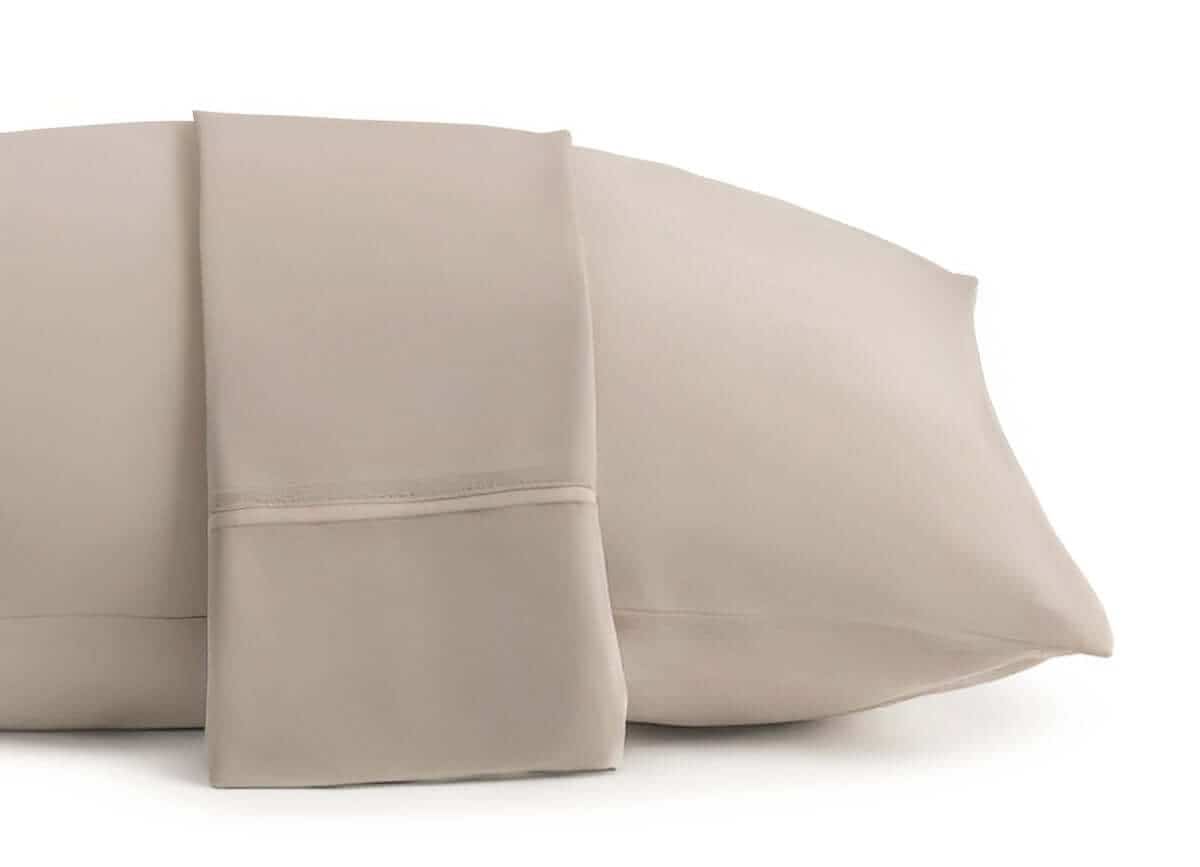
Nighttime overheating is one of the most common causes of sleep disruptions. SHEEX® bedding is engineered with innovative performance fabrics that pull heat and moisture away from your skin, for cooler, drier sleep no matter the season.
Start building your cooling sleep system with SHEEX® mattress toppers, temperature-regulating bed sheets, cooling pillows, cooling comforters, and performance sleepwear. Or opt for our exclusive bedding bundles for a complete bedding set.
FAQs
What is the best temperature for sleep?
The best sleep temperature for your bedroom is generally around 60°F to 67°F for adults, although personal preferences vary. If you tend to sleep hot or overheat easily, keep your bedroom on the cool side and look for bedding designed to keep you cool as you sleep, like SHEEX®.
Why does my body temperature drop when I sleep?
Your core body temperature starts to drop before bedtime as part of your circadian rhythm. Your body releases heat through your skin, which helps prepare you for sleep and supports your natural sleep-wake cycle.
Why do I wake up sweating in the middle of the night?
You may wake up hot or sweaty if your bedroom temperature is too warm or your bedding traps heat. Hormonal changes, medications, and even your metabolism can also influence your body temperature as you sleep. If you experience frequent or unexplained night sweats, talk to your healthcare provider to rule out an underlying cause.
Can my sheets really change how hot I sleep?
Yes, heavy cotton sheets can trap body heat and moisture, which can cause nighttime wakeups. SHEEX® cooling sheets and bedding pull heat and sweat away from your skin, helping your body’s evaporative cooling system work more effectively, for noticeably better sleep.