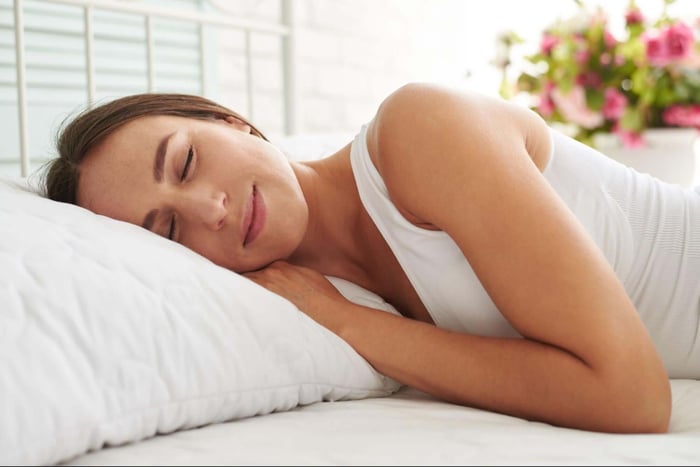

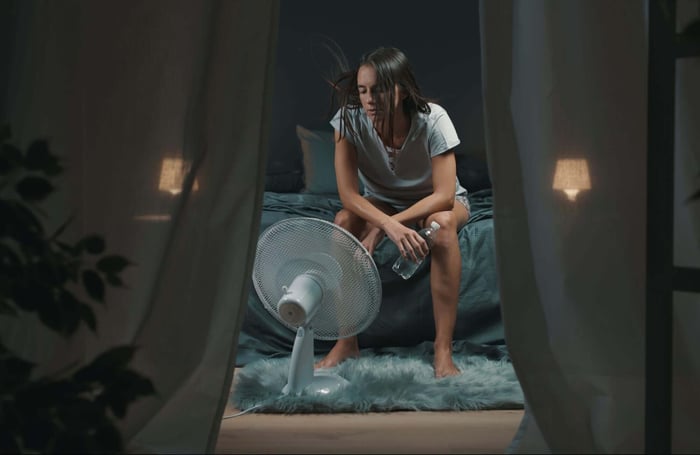
Overheating while sleeping is one of the most common causes of nighttime wake ups. When your body gets too warm, especially during the summer, you’re more likely to wake up or toss and turn. This can pull you out of deeper sleep stages and into lighter ones, even if you’re not aware of it. These brief sleep disruptions can leave you feeling groggy in the morning, even after a full night in bed.
Ahead, we’re going to delve into how overheating disrupts the later stages of sleep and why it’s so important to address issues that could be causing nighttime wakeups. It may be as simple as upgrading to cooling sheets or adding a fan in the bedroom.
How Your Sleep Cycle Works
Every night, you move through several sleep stages, each with a specific job in helping your body and brain recover. You rotate through these stages several times per night, with each cycle lasting about 90-110 minutes.
NREM Stage 1
This light “dozing off” stage lasts 5-10 minutes. Your brain and body slow down, your muscles relax, and you drift in and out of awareness. It’s easy to wake up during this phase from the slightest noise, movement, or feeling of discomfort, so a cool, calm bedroom is essential.
NREM Stage 2
During this sleep stage, your body temperature drops, your heart rate slows, and your breathing becomes more regular. Eye movements stop, and your brain produces bursts of brain waves called sleep spindles, which are believed to help store memories and reduce sensory interruptions. This stage can last up to 25 minutes in the first cycle and lengthens as the night goes on. It prepares your body for deep sleep.
NREM Stage 3 (Deep Sleep)
This is the most restorative of all sleep stages. It’s when your body repairs itself by regrowing tissue, strengthening your immune system, and building bone and muscle. It’s very difficult to wake up during this stage, and doing so can leave you groggy for up to an hour. Early in the night, this stage may last 20-40 minutes, then shortens with each cycle. It’s normal to spend less time here as you age, but deep sleep is still essential for good health.
REM Sleep
This is the stage where dreams are made—literally. During rapid eye movement (REM) sleep, your brain becomes highly active, and most of your muscles enter a state of temporary paralysis. Your heart rate and breathing speed up. The first REM period starts about 90 minutes after you fall asleep and lasts around 10 minutes. Each REM stage gets longer as the night progresses.
REM sleep and deep sleep are essential for memory, emotional balance, physical recovery, and cognitive performance. When overheating cuts these stages short or prevents you from reaching them altogether, you feel the effects immediately. Next up, we’re going to look at some ways to prevent overheating during the night.
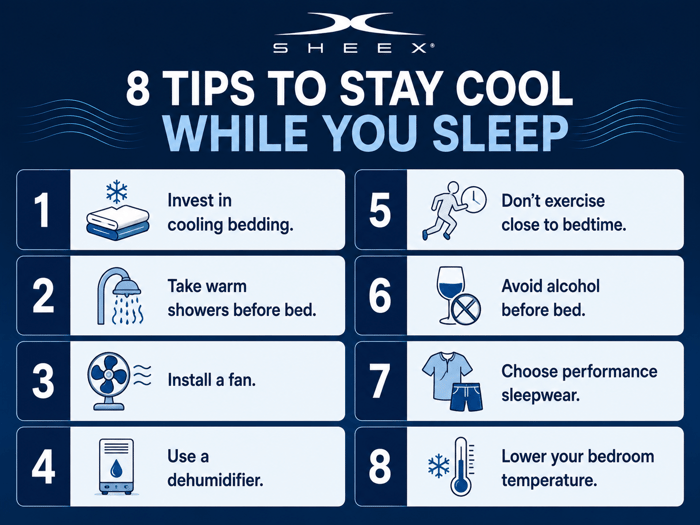
8 Tips to Stay Cool While You Sleep
Everything from your evening habits to your bedding could be contributing to nighttime overheating and wakeups. Tackle the most common culprits with these tips:
1. Invest in cooling bedding.
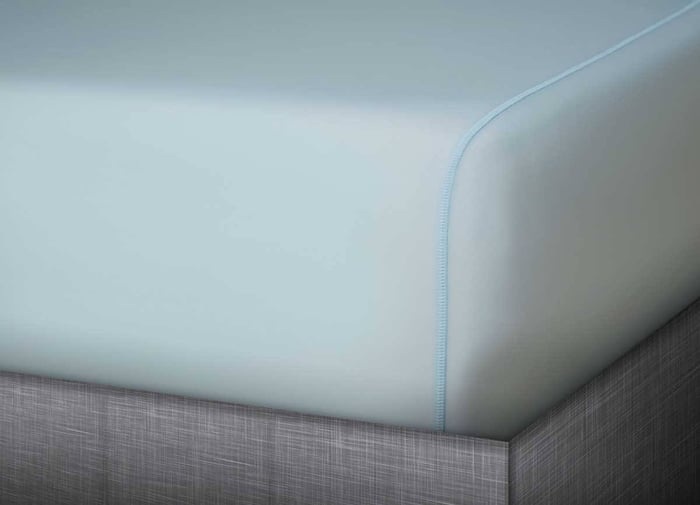
Heavy or non‑breathable bedding traps heat and moisture against your skin, which can raise your temperature during the night. Bed sheets for hot sleepers are made with performance fabrics designed to pull heat and moisture away from your skin. Cooling bedding works with your body’s own evaporative cooling system to keep you cooler and drier as you sleep.
2. Take warm showers before bed.
It may sound counterintuitive, but warm—not hot—showers trigger a cooling response that helps your body release heat. This is crucial because your body temperature needs to drop for you to fall asleep. You can enhance this process by taking a warm shower 60-90 minutes before bed.
3. Install a fan.
Still air traps heat around your body, which can make your sleeping space feel warmer than it is. Airflow helps sweat evaporate and prevents heat from settling around you. If you don’t have air conditioning, use a fan or multiple fans to keep air circulating in the room throughout the night.
4. Use a dehumidifier.
Humidity prevents your sweat from evaporating, and this is your body’s main cooling mechanism. If you live in an area where heat and humidity combine to create miserable conditions, using a dehumidifier can help remove some of the humidity from the room.
5. Don’t exercise close to bedtime.
Intense exercise raises your core temperature and increases metabolic heat, which can take hours to dissipate. It also triggers a rush of stimulating hormones like cortisol and adrenaline. It’s why experts recommend avoiding strenuous exercise at least two hours before bedtime.
6. Avoid alcohol before bed.
Alcohol warms you up by sending more blood toward your skin and triggering sweating, which can leave you hot and flushed. It also speeds up your heart rate and disrupts your internal thermostat, making you more likely to overheat while you sleep. Skip the nightcap and avoid alcohol at least 3 hours before bed to keep your temperature more stable.
7. Choose performance sleepwear.
Heavy or insulating pajamas—especially heavy cotton—can trap heat and moisture against your skin. Breathable, moisture‑wicking fabrics help your body release excess warmth. Choose performance sleepwear modeled after top athletic wear to prevent the buildup of excess heat and moisture.
8. Lower your bedroom temperature.
A warm bedroom makes it harder for your body to shed heat, especially during the deeper sleep stages. Even a small drop in temperature can make a noticeable difference. If possible, set your thermostat at 60-67°F for optimal sleep, and use fans to circulate air around the room.
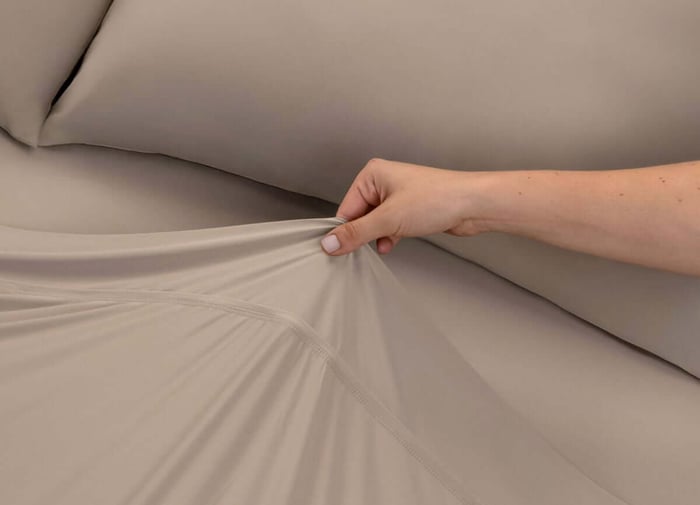
Sleep Cooler With SHEEX® Bedding
Sometimes all it takes to get a better night’s sleep is a few changes to your environment and routine. If you sleep hot or struggle with night sweats or hot flashes, it’s time for a sleep upgrade. SHEEX® cooling bedding is engineered with innovative cooling technology designed to keep you cooler as you sleep—guaranteed. This can help prevent nighttime wakeups that can interfere with deep sleep and REM sleep.
Make the switch this summer and discover the SHEEX® difference. Start building your complete cooling sleep system with moisture-wicking sheets, cooling pillows, cooling comforters, performance mattress pads, and cooling duvet covers—all available in complementary colors.