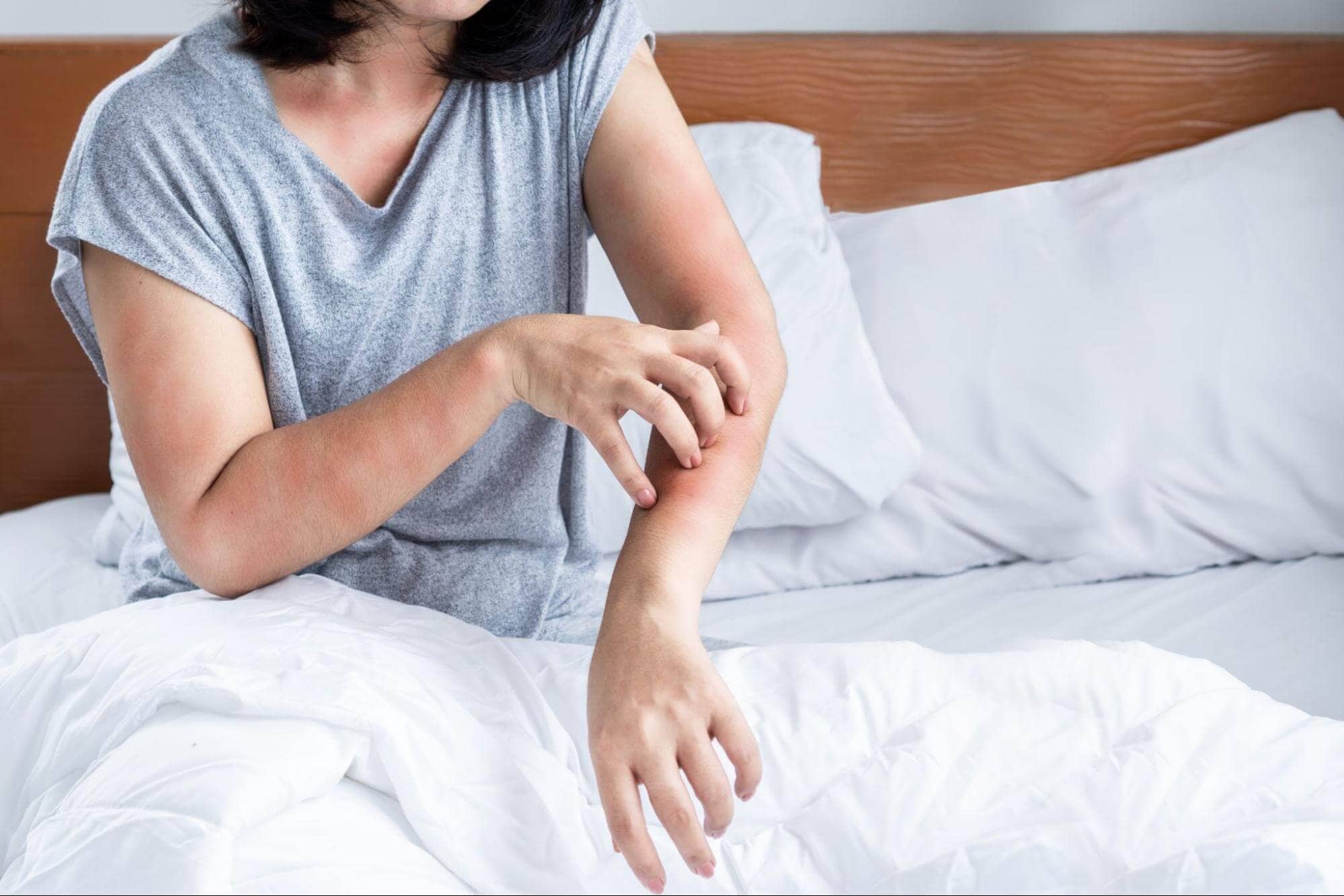
Spring flowers, summer grasses, and fall weeds can make bedtime miserable. Allergens have a way of sneaking indoors and settling into your bedding. This can make it hard to get a good night’s sleep, especially if sneezing, watery eyes, and itchy skin are keeping you up at night.
The good news is that a few simple changes to your sleep environment can make a noticeable difference. From managing bedroom humidity to choosing breathable sheets, we’re going to walk you through how to create a more allergy-friendly space so you can finally sleep soundly—even when it feels like nature is plotting against you.
Why Your Bed Might Be Making You Itch
Seasonal allergies and skin conditions (like atopic dermatitis) can cause itchy skin. Itching at night can cause micro-wakeups that disrupt your sleep cycles. Part of maintaining good sleep hygiene is getting the required amount of deep sleep and REM sleep each night. If you feel tired or sluggish in the morning and notice that your skin feels itchy, it’s worth investigating the cause.
Common culprits include:
- Dust mites: Your mattress, pillows, and bedding provide an ideal home for dust mites. They thrive in warm, humid conditions, and their waste is a common allergy trigger.
- Trapped outdoor allergens: Pollen, mold spores, pet dander, and other allergens can hitch a ride indoors on your clothes, hair, or pets before settling into your bedding.
- Heat and sweat: Bedding that traps heat and moisture can irritate sensitive skin, worsen itching, and create conditions where dust mites thrive.
- Dry skin: Indoor heating, air conditioning, or low humidity can dry out your skin, making it more prone to irritation and nighttime itching.
- Skin conditions: Eczema and other skin conditions often flare up at night. Heat, sweat, rough fabrics, and allergens trapped in your bedding can make itching even more intense.
- Friction from rough fabrics: Coarse or heavy fabrics can rub against already-sensitive skin, making irritation feel even worse throughout the night.
Next, we’re going to talk about how to address these issues and minimize allergens and skin irritants in the bedroom, including upgrading to bedding for itchy skin.
7 Tips for Minimizing Allergens in the Bedroom
When seasonal allergies strike, your bedroom should be a place to recover, not another source of irritation. Unfortunately, allergens have a way of settling into your sleep space. Pollen clings to clothing, pet fur, and hair. Dust mites thrive in warm, humid bedding. Even the moisture your body produces while you sleep can create conditions that make nighttime itching and allergy symptoms worse.
Follow these seasonal bedding tips for better sleep year-round:
1. Choose breathable, moisture-wicking bedding.
Sweat can irritate sensitive skin and create the damp conditions that dust mites love. Breathable sheets and bedding move moisture away from your body to keep you drier and more comfortable as you sleep.
2. Use zippered pillow and mattress protectors.
Dust mites can live deep inside mattresses and pillows where regular washing can’t reach. Mattress pads and zippered pillowcases add another layer of protection to keep dust mites and their allergens away from your face as you sleep.
3. Wash your sheets regularly.
Regular washing removes pollen, dust, skin cells, and other allergens that build up over time. Warm water can also help reduce dust mites. Always follow the manufacturer’s care instructions, as hot water can damage some performance fabrics, reducing their cooling and moisture-wicking properties.
4. Keep pollen out of the bedroom.
During allergy season, shower before bed to rinse pollen from your skin and hair. Dry your laundry indoors or in a dryer instead of outside. Keep windows closed on high-pollen days and discourage pets that spend time outdoors from sleeping on the bed. Use HEPA filters in your HVAC system or air purifier to capture airborne allergens.
5. Manage bedroom humidity.
Dust mites and mold thrive in humid environments. Aim for humidity levels between 30% and 50% in your bedroom. If humidity is especially high in your area, use a dehumidifier to help create a less welcoming environment for allergens.
6. Vacuum and dust regularly.
Carpets, rugs, upholstered furniture, and curtains can collect dust, pollen, and pet dander. Vacuum with a HEPA-filter vacuum and dust with a damp cloth to prevent allergens from becoming airborne.
7. Replace pillows regularly.
Pillows gradually collect dust mites, skin cells, and allergens over time, even with regular washing. Replacing your pillows according to the manufacturer’s recommendations helps keep your sleep environment cleaner. When it’s time for a new set, use the opportunity to upgrade to cooling pillows that prevent heat buildup under your head and neck as you sleep.
Upgrade Your Sleep System With SHEEX®
If you struggle with itchy skin at night or if seasonal allergies are keeping you up, it’s time to upgrade to SHEEX® hypoallergenic bedding.
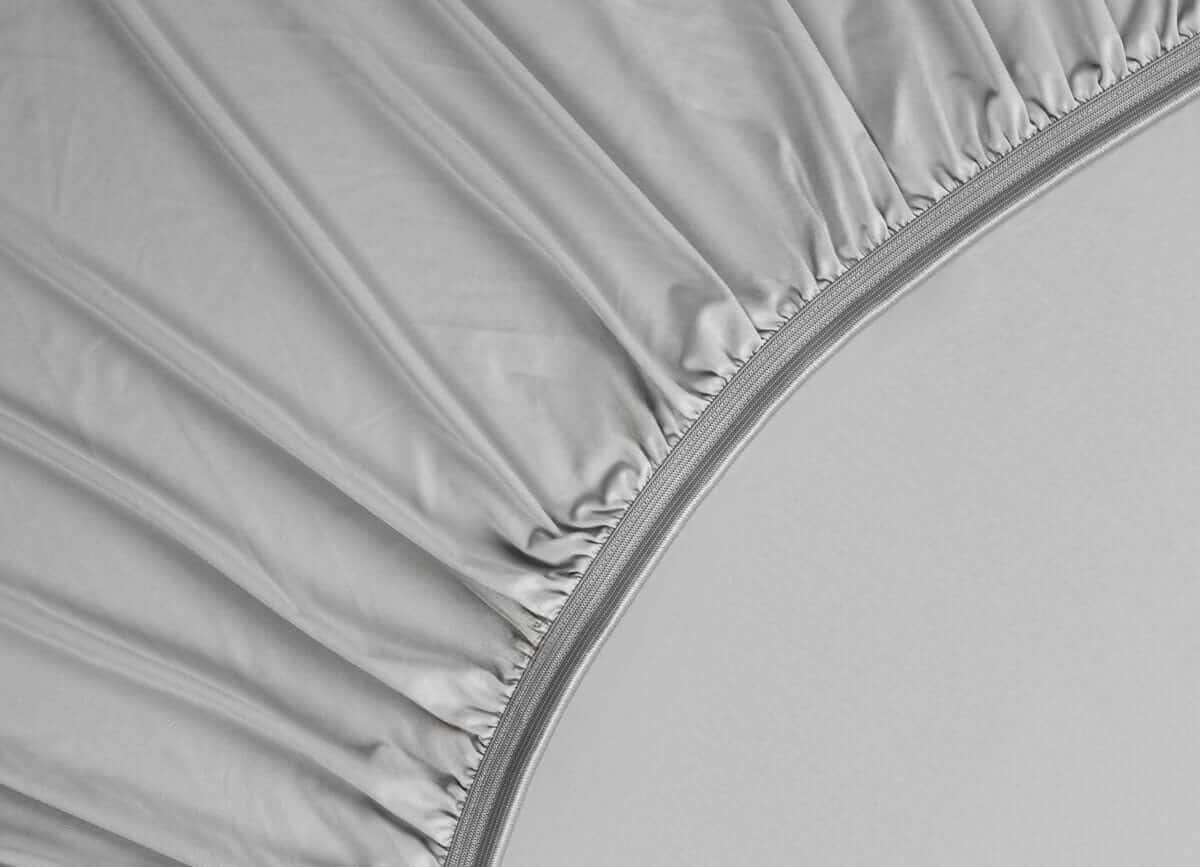
Your bedding should help you sleep better, not make allergies even worse. SHEEX® Arctic Aire•MAX Sheet Sets are made with naturally hypoallergenic 100% TENCEL™ Lyocell fibers that feel softer than silk and keep you cool, dry, and comfortable all night long.
Featuring SHEEX® CoolX™ Technology, these ultra-soft sheets for sensitive skin wick away moisture while naturally hypoallergenic TENCEL™ Lyocell fibers help reduce bacterial growth without chemical additives. Add the Arctic Aire•MAX Diamond Collection Quilt Set for another layer of cool, breathable comfort.
Start building your hypoallergenic sleep system with SHEEX® mattress toppers, temperature-regulating bed sheets, cooling pillows, cooling comforters, and performance sleepwear. Or opt for our exclusive bedding bundles for a complete bedding set.
Find out why SHEEX® is the best bedding for allergies and how SHEEX® sheet sets benefit your skin and hair.
FAQs
What is the best bedding for allergies and sensitive skin?
Look for bedding made from naturally hypoallergenic, breathable fabrics that stay cool and dry throughout the night. SHEEX® Arctic Aire•MAX Sheet Sets are made with naturally hypoallergenic TENCEL™ Lyocell fibers and moisture-wicking technology to help create a cleaner, more comfortable sleep environment for sensitive skin.
How often should I wash my sheets to reduce allergens?
Wash your sheets about once a week to remove pollen, dust, skin cells, and other allergens that build up over time. Always follow the manufacturer’s care instructions, since washing performance fabrics more frequently than necessary or using excessive heat can shorten their lifespan and affect their performance.
Could my sheets be causing my skin to itch at night?
Yes, bedding that traps heat, moisture, pollen, dust mites, and other allergens can irritate sensitive skin and make nighttime itching worse. Choose breathable, moisture-wicking bedding and wash it regularly for a more comfortable sleep environment.
Are cooling sheets good for people with allergies?
Absolutely, cooling sheets pull skin-irritating moisture away from your skin and create a drier environment that is less inviting to dust mites. Silky-soft fabrics like SHEEX® may also help minimize skin irritation, for more comfortable sleep.
What temperature water kills dust mites in bedding?
Water must reach 130°F (54.4°C) or higher to kill dust mites and help break down their allergens. However, hot water can damage the performance properties of specialty fabrics like SHEEX®. Follow the manufacturer’s washing instructions for best results and consider pillowcase and mattress covers to reduce dust mite-related allergies. While a regular wash cycle may not kill live dust mites, it can rinse away many loose allergens, including the waste of dust mites.