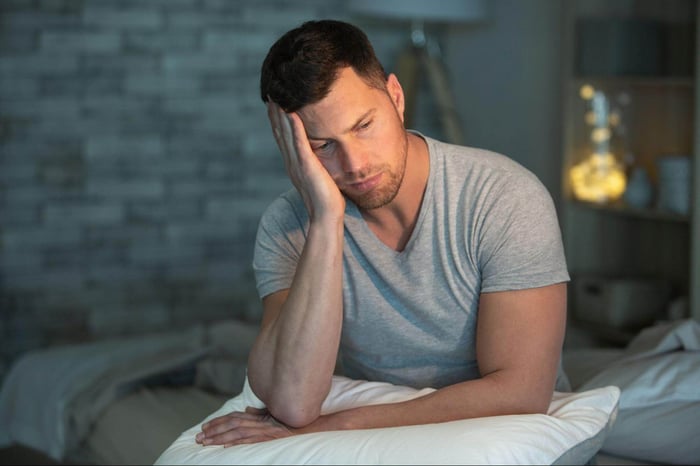

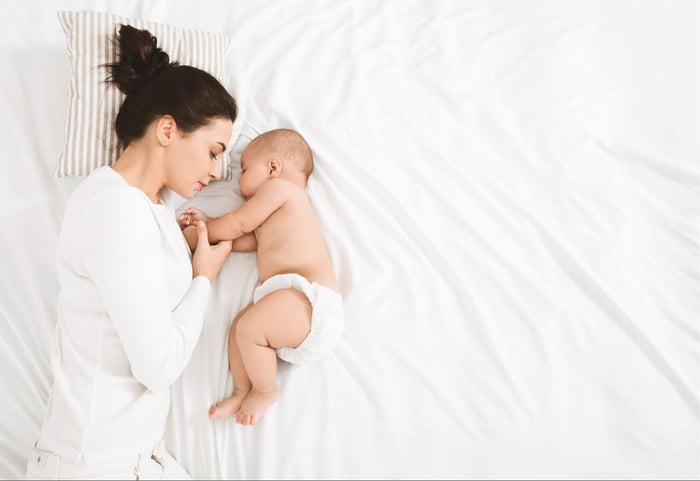
No matter what you’ve heard about how exhausting it is to have a newborn, there’s nothing like real-world experience. If you feel utterly exhausted from nighttime wakings, feedings, and the stress of managing endless household tasks, you’re not alone.
Sleep is how your body recovers from stress, and not getting enough of it can quickly take its toll. Moms who don’t get enough sleep are more likely to have a depressed mood, attention and memory problems, and feel excessively tired during the day.
Chronic exhaustion can make you feel irritable and less patient. You may find yourself reaching for unhealthy foods during the day to ease stress, and you might feel like you’re in a mental fog.
Newborns and sleep deprivation may go hand in hand, but there are things you can do to get more sleep. Ahead, we’re going to take a closer look at sleep deprivation in new parents and how to manage it, whether that means upgrading your bedding or hiring a night nanny.
Sleep in the Postpartum Period: What Research Shows
Sleep deprivation in new parents is common, and the first week is typically the most brutal. A 2025 study found that new moms got just 4.4 hours of sleep per night during the first week after giving birth, compared to 7.8 hours pre-pregnancy. Their longest stretch of uninterrupted sleep fell from 5.6 hours pre-pregnancy to just 2.2 hours in the first week after delivery.
More than a third (31.7%) of the study participants went more than 24 hours without sleep in the first week with a newborn. Thankfully, for most new parents, this extreme level of sleep deprivation is short-lived. The new moms in the study increased their sleep to 6.7 hours per night in weeks 2-7 and up to 7.3 hours in weeks 8-13.
But even months after their baby was born, the longest stretch of uninterrupted sleep dropped significantly from pre-pregnancy levels—and remained that way. A study from Germany had similar findings. Mothers in that study lost about 40 minutes of sleep a night in the year after having a baby compared with pre-pregnancy levels. That was true regardless of whether it was their first or a subsequent child.
How long does this last? The German study found that parents may get less sleep and have poorer sleep quality up to 6 years after the birth of their first child. For many new parents, changes to sleep patterns are the new norm. That makes sleep hygiene even more important.
Sleep Hygiene Tips for New Parents
When you’re caring for a newborn, good sleep hygiene won’t magically give you 8 uninterrupted hours—but it can help you make the most of the sleep you do get. Here are some tips for new parents.
Make your bedroom cool and comfortable.
A cooler room sends a signal to your body that it’s time to sleep, which is especially helpful when your nights are broken into short stretches. Aim for a temperature that feels refreshing rather than chilly—for most people, that’s 65-70 degrees Fahrenheit. Choosing cooling bedding designed to breathe and use blackout curtains and a sleep mask if morning light is a problem. When your bedroom feels like a retreat, it’s easier to fall back asleep after nighttime wakeups.
Get out of bed at the same time each morning.
Waking up at a consistent time helps regulate your internal clock, even when nights are unpredictable. With a newborn, you’ll likely be up early anyway, so consider this one of the few things that might actually feel doable right now. Maintaining a steady wake time makes it easier for your body to recognize when it’s time to wind down at night. Over time, it can help you get back on track.
Upgrade your bedding.
Overheating during the night is a common cause of nighttime wakeups. If you’re already running on empty, the last thing you want is to be awoken by night sweats or a partner’s tossing and turning. Cooling bedding can make a huge difference in your sleep quality. Look for bedding engineered with cooling technology that wicks heat and moisture away from your skin as you sleep. If you or your partner runs hot, moisture-wicking sheets are a must during those precious postpartum months.
Don’t stay in bed and try to sleep.
If you’ve been lying awake for more than 20 minutes, getting up may actually help you fall asleep faster. Staying in bed while frustrated trains your brain to associate your bed with wakefulness instead of rest. Move to another room and do something calming but not stimulating, like reading or listening to soft music. When you feel sleepy again, head back to bed and try again.
Don’t clock‑watch.
Staring at the clock only ramps up anxiety about how little sleep you’re getting. That stress makes it even harder to drift off, creating a frustrating cycle. Turn your clock away from you or dim your phone screen so you’re not tempted to check the time. Trust that whatever time sleep comes, it’s just as valuable.
Try the 4-7-8 breathing method.
This simple technique works by slowing your breathing to quiet your sympathetic nervous system (the part that keeps you alert and stressed) and activate your parasympathetic nervous system (the part that helps you relax). You inhale for 4 seconds, hold for 7, and exhale for 8, creating a rhythm that naturally eases your body into a calmer state. Practicing it before bed or after a nighttime wakeup can help you settle more quickly.
Avoid alcohol near bedtime and caffeine after noon.
Alcohol and caffeine can both interfere with your natural sleep cycles, making it harder to fall asleep or stay asleep. Even if a glass of wine at night seems relaxing or an afternoon coffee feels essential, they can leave you more tired in the long run. Try swapping alcohol for calming herbal tea before bed, and try non‑caffeinated drinks in the afternoon. Protecting your sleep is worth these small adjustments.
Set aside time to relax before bed.
Giving yourself time to unwind is not indulgent—it’s essential. Just as you help your baby settle before sleep, you need your own gentle transition from busy to calm. A short routine, like stretching, reading, or dimming the lights, can help your body shift into rest mode. Think of it as modeling healthy habits for your child as they grow up and supporting your own well‑being at the same time.
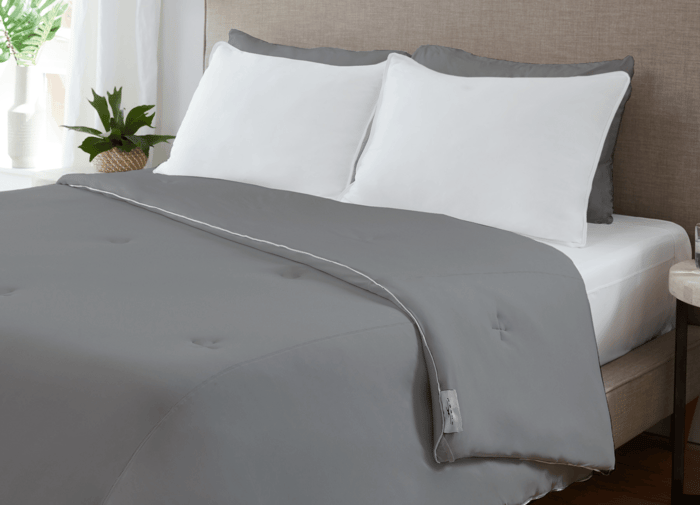
Reduce Nighttime Wakeups and Sleep Better With SHEEX®
From cooling bed sheets to hypoallergenic bedding and cooling pillows, SHEEX® bedding is designed to keep you more comfortable through the night, no matter the season. Moisture-wicking technology pulls sweat away from your skin, working with your body’s evaporative cooling system to keep you cooler as you sleep.
Start building your cooling sleep systems with SHEEX® mattress toppers, temperature-regulating bed sheets, cooling pillows, cooling comforters, and performance sleepwear. Or opt for our exclusive bedding bundles for a complete bedding set.