
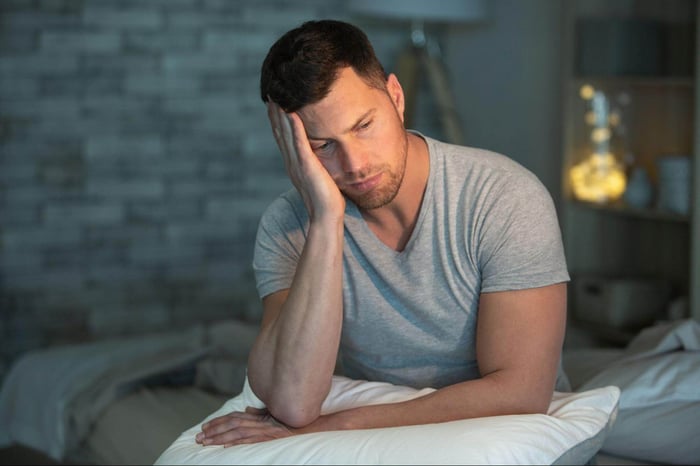
As much as we’d like it to, stress doesn’t just disappear at the end of the day. For many of us, it rears its ugly head in those precious moments when we’re trying to fall asleep—or worse, at 3:00 a.m.
Over time, chronic sleep deprivation can have serious impacts, making you feel physically drained, foggy, and out of sync. The good news is that you can break the cycle with a few lifestyle changes.
Ahead, we’ll explore how stress affects sleep and effective ways to calm your system and prepare your sleep environment with the right lighting and cooling bedding, so you can fall asleep faster and wake up feeling like yourself again.
The Stress-Sleep Cycle
Stress can lead to sleep problems, and sleep problems can make stress worse. It’s a vicious cycle that can leave you feeling exhausted and run-down.
When you’re stressed, your body stays on high alert. A racing mind and elevated heart rate can make it harder to fall asleep and stay asleep. Worst of all, without quality sleep, it’s even harder to recover from stress. You may notice that small problems feel bigger than they are and that your patience wears thin more easily.
Unfortunately, Americans are more sleep-deprived than ever. These stats from a 2024 Gallup poll show the scope of the problem:
- 57% of U.S. adults say they would feel better if they got more sleep.
- Only 42% of U.S. adults say they get enough sleep.
- Nearly half of Americans (49%) report frequently experiencing stress—the highest level Gallup had recorded at the time of the survey.
- 63% of sleep-deprived survey takers say they often feel stressed, compared to just 31% of those who say they get enough sleep.
- Women aged 18-49 are the most stressed and sleep-deprived—only 27% in this group say they get enough sleep.
- 20% of people surveyed are getting just 5 hours of sleep or less.
These numbers show a clear pattern. Less sleep leads to more stress, and more stress leads to worse sleep.

Signs Stress Is Affecting Your Sleep
Stress can be sneaky. It isn’t always obvious—you may not even connect restless sleep to stress at first, but your body usually sends signals when something is off. Here are five signs that could indicate you’re stressed:
- You have trouble falling asleep: You get into bed feeling tired, but your mind won’t slow down. Thoughts keep looping, and it takes a long time (30+ minutes) to drift off.
- You wake up frequently: You fall asleep but wake up multiple times during the night. It feels hard to settle back in once you’re up, especially if you sleep hot.
- You feel tired even after 7-8 hours in bed: You spend enough time in bed, but you still wake up feeling groggy instead of refreshed.
- You wake up too early: Your eyes open well before your alarm, and you can’t fall back asleep. You start to worry about not getting enough sleep, which only makes the problem worse.
- You experience stress symptoms at bedtime: Your body stays tense when you lie down. You might notice a racing heart, tight muscles, or shallow breathing that makes it harder to relax.
If any of these signs sound familiar, read on for practical solutions to address stress that could be interfering with sleep.
How to Fix Stress‑Related Sleep Problems
Stress may be part of your daily life, but you can take steps to keep it from disrupting your sleep. With a few intentional habits and a more supportive sleep environment, you can guide your body out of high alert at night and into a calmer, more relaxed state. Here are practical ways to ease stress at night to improve the quality of your sleep:
Optimize your sleep environment.
A stimulating environment can keep your mind active long after the day ends. Keep your bedroom dark, quiet, and cool. A room temperature of 65-70 degrees is optimal for most people. Try taking warm—not hot—showers before bed and turn off screens 30-60 minutes before lights out. Switch to soft, dim lighting in the evening. This helps your body recognize it’s time to wind down.
Invest in cooling bedding.
Your body temperature needs to drop by 1 to 2 degrees Fahrenheit for good sleep. But being in a stressed state can elevate your core body temperature, making it harder to settle down before bed. You can counter this by choosing cooling performance bedding that actively pulls heat and moisture away from your skin. When your body is cooler, you’re more likely to drift off and stay asleep during the night.
Try the 4‑7‑8 breathing method.
Stress can push your sympathetic nervous system (“fight or flight”) into overdrive, leaving you feeling wired and restless. You can shift your body into a state of calm by practicing the 4‑7‑8 breathing pattern. To do it, inhale for four seconds, hold for seven, exhale for eight. This rhythmic breathing activates your parasympathetic nervous system, slows your heart rate, and puts your focus on one simple task.
Clear your head before bed.
Racing thoughts can follow you into bed if you don’t give them somewhere else to go. You can release mental clutter by setting a short timer, writing down everything on your mind, and listing tomorrow’s tasks. Mark your top three priorities, close the notebook, and put it away to signal that you’ve wrapped up the day and have “permission” to shift into rest mode.
See your doctor.
Persistent overheating, night sweats, or ongoing sleep issues deserve professional attention. Talk with a healthcare provider to explore whether hormonal changes or other factors are contributing to your symptoms. If chronic stress is disrupting your sleep, your doctor may recommend lifestyle strategies or treatments that support better sleep and overall well‑being.
Sleep Better With Cooling Bedding by SHEEX®
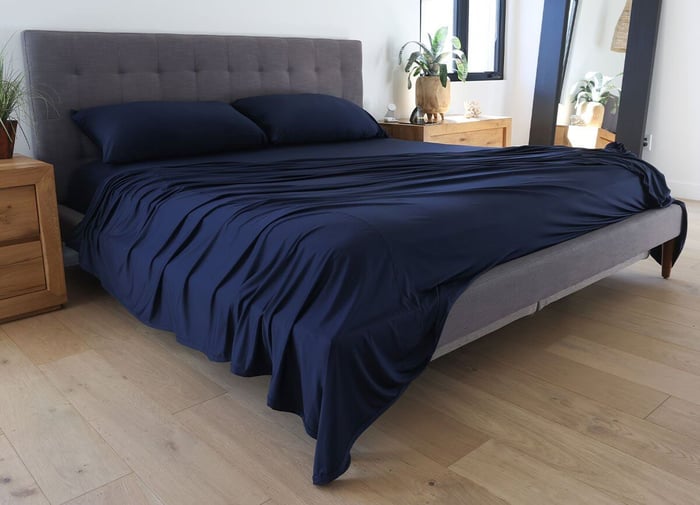
Overheating is one of the leading causes of sleep disruptions. SHEEX® cooling sheets and bedding help you sleep cooler. The moisture-wicking performance fabrics are engineered with technology that actively pulls heat and sweat away from your skin through capillary action. When your skin is cooler, you’re less likely to toss and turn and wake up during the night.
Start building your cooling sleep systems with SHEEX® mattress toppers, temperature-regulating bed sheets, cooling pillows, cooling comforters, and performance sleepwear. Or opt for our exclusive bedding bundles for a complete bedding set.
FAQs
Can stress cause insomnia?
Yes, stress can make it harder for you to fall asleep and stay asleep. When you feel stressed, your mind may race, and you may tense your muscles without realizing it. This keeps your body in “fight or flight” mode, which can make it harder to wind down.
Why does stress keep me awake?
Stress often leads to racing thoughts and faster breathing, which makes it harder for you to relax at night. Instead of winding down, you stay mentally and physically alert, which can delay sleep, even when you’re exhausted.
What are some relaxation techniques for sleep?
You can try controlled breathing like the 4-7-8 method, write down your thoughts before bed, and maintain a consistent schedule and wind-down routine. These habits can help calm your mind and body before bed, so you ease into sleep naturally.
Can cooling sheets help me sleep better at night?
Yes, cooling bedding may improve your sleep by helping you stay comfortable throughout the night, especially if you struggle with night sweats or overheating. Moisture-wicking, temperature-regulating fabrics actively pull heat and moisture away from your skin to help you fall asleep faster and stay asleep.