
If you live with seasonal affective disorder (SAD), you may notice your mood shifting as the days get darker. You might feel more tired, sluggish, or disconnected, and you may notice more winter sleep problems. Around 5% of adults in the U.S. experience SAD, and it typically lasts around 5 months of the year.
Ahead, we’ll look at what causes SAD and explore what you can do to feel better, including creating a healthy sleep environment with the right bedding to support more restful nights.
What Is Seasonal Affective Disorder?
Seasonal affective disorder is a type of depression that comes and goes with the seasons. According to the American Psychiatric Association, SAD is officially categorized as “major depressive disorder with seasonal pattern.” It’s sometimes called seasonal depression or winter depression, and it usually shows up during the fall and winter months when daylight hours are shorter.
Common symptoms include feeling down or hopeless, low energy, trouble concentrating, and changes in appetite or sleep patterns. Some people also withdraw from social activities or feel less motivated in general. These symptoms can sneak up on you, and when they hit, they can seriously impact your quality of life, including how well you sleep.
What Causes SAD?
SAD is linked to changes in the brain related to reduced sunlight exposure in the fall and winter months. As the seasons shift and daylight decreases, your internal body clock (or circadian rhythm) can get thrown off. That clock helps regulate everything from mood to appetite to sleep, so when it’s disrupted, you can feel out of sync.
Less sunlight in the winter months may cause a drop in serotonin, a brain chemical that affects mood. At the same time, your body may produce more melatonin, a hormone that makes you feel sleepy. This combination can leave you feeling groggy during the day, wide awake at night, and emotionally and mentally off-balance.
While researchers are still studying the exact causes, there’s no doubt that changes in sunlight and your biological rhythm both play a role. That’s why most people with SAD start noticing symptoms when the days get shorter and darker.
Does SAD Affect Sleep Quality?
Sleep disruptions are a common symptom of SAD. You might feel sleepy during the day, even after a full night’s rest. Or you might find it harder to fall asleep at night, no matter how exhausted you feel.
SAD can throw off your body’s natural sleep-wake cycle. You might start staying up later and sleeping in more, which only makes things worse. Some people find themselves needing naps just to get through the day. Others sleep more than usual but still wake up feeling tired.
These sleep disruptions can pile up on top of the low energy and foggy thinking that already come with SAD. It becomes a frustrating cycle—poor sleep makes your symptoms worse, and your symptoms make it harder to sleep.
What You Can Do About SAD
There’s no quick fix for seasonal affective disorder, but several proven treatments may help. The most common include:
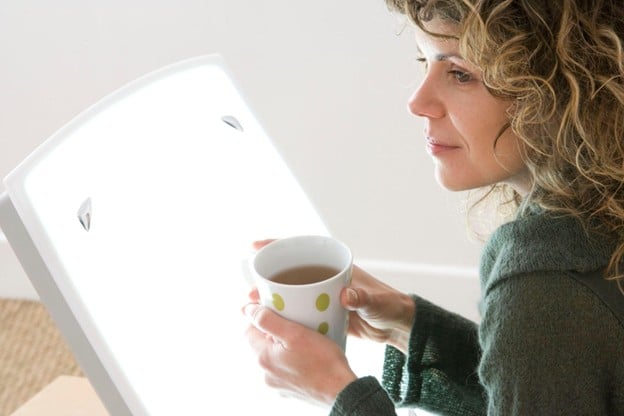
- Light Therapy: Also known as phototherapy, light therapy involves sitting in front of a special light box that mimics natural sunlight. It helps regulate your internal clock and boosts serotonin levels. Most people use it in the morning for about 20–30 minutes. It’s especially effective for winter-pattern SAD.
- Antidepressant Medication: For some people, antidepressants can relieve symptoms and make daily life feel more manageable. These medications target brain chemicals like serotonin that are often affected by SAD. Because needs vary from person to person, it’s important to speak with your doctor to determine the safest and most effective plan for you.
- Vitamin D: People with SAD often have low levels of vitamin D, especially in winter. Supplements may help ease symptoms, though they work best when combined with other treatments like light therapy.
- Psychotherapy: Talk therapy, especially cognitive behavioral therapy (CBT), can help you manage negative thoughts and develop healthier coping strategies. Psychotherapy is useful for both winter- and summer-pattern SAD and may work well in combination with other treatments.
These treatments can make a big difference, and they often work best when paired with healthy lifestyle habits, especially around sleep. To be clear: SAD is not your fault, and simply “trying harder” to sleep isn’t a cure. But once you’re getting treatment, changes to your routine may help you sleep more soundly and feel more like yourself.
Lifestyle Habits That May Help With Better Sleep
Here are some lifestyle habits and changes that may support better sleep during the SAD season:
Stick to a consistent sleep schedule.
Try to go to bed and wake up at the same time every day, even on weekends. A predictable routine helps reset your circadian rhythm and may reduce some of the fog and fatigue.
Invest in cooling bedding.
If you tend to overheat at night, consider switching to lightweight, breathable bedding. Look for performance fabrics—like those in SHEEX® bedding—that actively pull heat and moisture away from your skin to help you sleep soundly and more comfortably.

Maximize natural light exposure during the day.
Get outside as early and often as you can, even on cloudy days. Sit near windows when you’re indoors. Exposure to natural light during the day helps your body stay alert, which may improve your quality of sleep at night.
Get plenty of exercise.
Moving your body during the day is a proven way to boost your energy levels and even your mood. It may also help you sleep better at night. Aim for at least 20-30 minutes of vigorous movement (brisk walking, cardio workouts, etc.) most days of the week.
Create a relaxing evening routine.
Wind down before bed with calming activities like reading, stretching, or listening to soft music. Avoid screens for at least an hour before sleep, since blue light can make it harder to fall asleep.
Keep your bedroom cool and comfortable.
Your sleep environment can make a big difference in how well you fall asleep and stay asleep. Lower the thermostat, use blackout curtains, and eliminate noisy distractions if you can.
Limit naps.
If you need a nap during the day, keep it short—20 to 30 minutes max. Longer naps can disrupt your nighttime sleep and leave you feeling even more tired later.
Invest in Your Health With Cooling Bedding by SHEEX®
If you struggle with seasonal affective disorder, you’re not alone. Finding the right treatments in combination with healthy sleep habits may help you get through the darker months with more energy and peace of mind. But if you or your partner sleeps hot at night, it can make it even harder to get quality sleep.
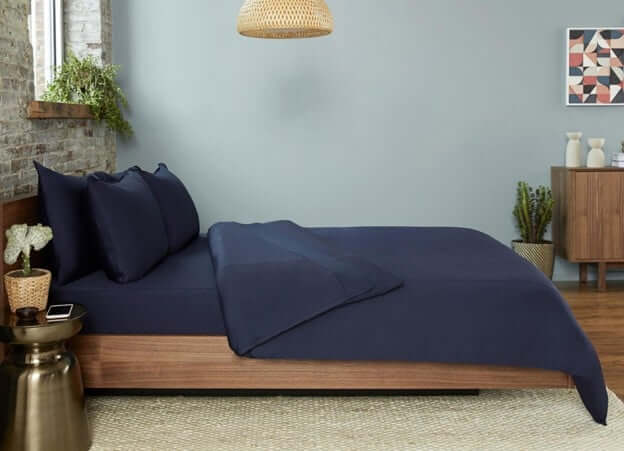
SHEEX® bedding is engineered with innovative cooling technology to wick heat and moisture away from your skin, for more restful, restorative sleep. Cooling bedding can help minimize the nighttime wakeups that interfere with sleep cycles. Crucially, this can improve how much deep sleep you get—the most restorative sleep phase.
Start building your cooling bedding system with SHEEX® cooling sheet sets, pillows, cooling mattress pads, comforters, and performance sleepwear.