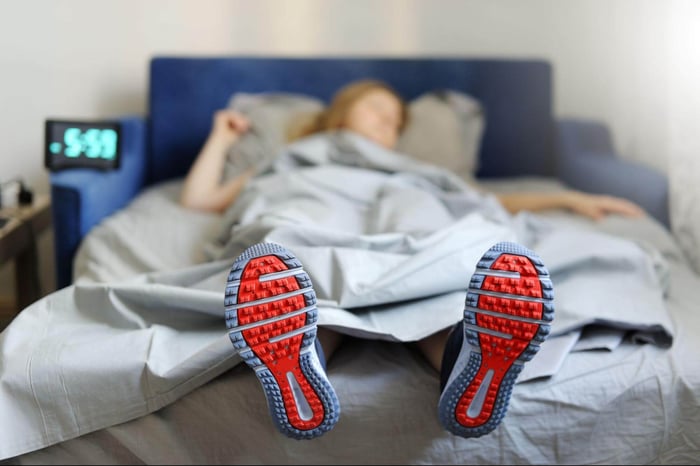

For many of us, the holidays are a whirlwind of endless to-do lists, nonstop social events, and last-minute shopping sprints. Add in late-night gift wrapping and the stresses of holiday travel, and your sleep can really take a hit.
If you’re feeling cranky, groggy, or just off balance during the holidays, it’s time to get back on schedule. The holidays are a time of joy and celebration, but the season can leave you feeling rundown. Keep reading to find out how to get your sleep schedule back on track with simple changes, so you can start fresh in the new year.
It’s Not Just the Holidays: How Winter Impacts Sleep Cycles
Holiday chaos aside, the shift into winter can also disrupt your sleep. The fall time change means sunrise comes later and the sun sets earlier, but the sudden shift of the clocks can confuse your body. This effect can last for weeks after the time change.
Research has also found that we may actually need more sleep in winter, yet many of us aren’t getting enough. And if you struggle with seasonal affective disorder (“winter depression”), things can feel especially gloomy.
If you’re feeling unusually tired, sad, or down for more than a few weeks, it’s time to see your doctor. If, on the other hand, your sleep has just gotten thrown off by the holiday rush, there are things you can do to get back on track.

How to Reset Your Post-Holiday Sleep Schedule
Try these practical steps to resume a healthy sleep schedule after the holidays.
Upgrade your bedding.
After spending time in unfamiliar beds, there’s nothing quite like returning home to your own sleep sanctuary. Research has shown that people sleep better and longer on mattresses and pillows that properly support their preferred sleep position. Investing in a quality mattress, supportive pillows, and temperature-regulating sheets designed to prevent overheating can help you avoid nighttime wakeups that disrupt sleep cycles.

Go to bed and wake up at the same time.
If you want to know how to fix your sleep schedule, it starts with consistency. People who stick to regular sleep and wake times tend to experience better sleep quality and report fewer sleep problems. Even after a night of tossing and turning, resist the urge to sleep in or take long naps. Going to sleep and waking up at the same time every day (even on weekends) will help reset your circadian rhythm.
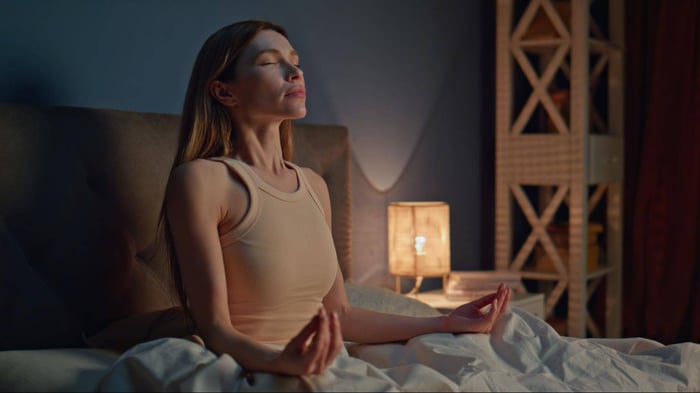
Try a calming activity if you can’t sleep.
It might sound counterintuitive, but lying in bed awake can make insomnia worse. Medical experts recommend spending no more than 20 minutes trying to get to sleep or fall back asleep before getting up and doing a calming activity. This stops your brain from associating your bed with frustration or anxiety. Return to bed when you truly feel sleepy. Over time, your brain will start to associate your bed as a place for restful sleep.

Expose yourself to daylight soon after waking up.
Natural light is the most powerful cue for your body’s internal clock. As little as 15-30 minutes of sunlight exposure within an hour of waking up can help regulate your circadian rhythm. That’s because morning sunlight triggers your brain to suppress melatonin—the hormone that makes you feel sleepy. Research shows that people who get natural light in the morning tend to report better overall sleep quality, so try opening your curtains first thing or stepping outside for a quick walk, even on cloudy days.
Make sleep a priority for the new year.
As the next year begins, make better sleep your New Year’s resolution. Set a consistent bedtime, create a relaxing nighttime routine, and keep your bedroom quiet and dark. If young kids are keeping you up at night, establish predictable sleep routines for them, too. And if you or your partner sleeps hot, upgrade to performance bedding designed to keep you cool and dry as you sleep. With a few thoughtful changes, you can set yourself up for more restful nights in 2026.

Get plenty of exercise.
Regular exercise can help you sleep better. Research shows that moderate aerobic activity increases deep sleep (also called slow wave sleep), the most restorative sleep stage. It’s no surprise, then, that a survey from the American Academy of Sleep Medicine found that more than half of Americans (53%) say exercising helps them get a better night’s sleep.
Make exercise a priority and try to get at least 30 minutes of movement a day—with one caveat: avoid vigorous exercise at least a few hours before bed to avoid getting overstimulated, which can make it harder to fall asleep.
Limit alcohol intake.
While alcohol’s sedative effect might help you fall asleep faster, it disrupts REM sleep and increases the risk of nighttime wakeups. And people who drink before bed are more likely to feel groggy and less alert the next day. Even moderate alcohol intake before bed can decrease your overall sleep quality, so avoid drinking alcohol within three hours of bedtime. To slow the absorption of alcohol in the bloodstream, have a drink with dinner and ditch the post-meal nightcap.
Avoid large meals in the evening.
Eating late at night can disrupt your sleep for a variety of reasons. Large or heavy meals at night can interfere with the hormones that regulate hunger, and heavy foods can trigger heartburn or indigestion. Give yourself at least three hours between dinner and bedtime. If that’s not realistic or if hunger pangs are keeping you awake late at night, opt for a small snack with protein or fiber, like an apple or a handful of almonds.
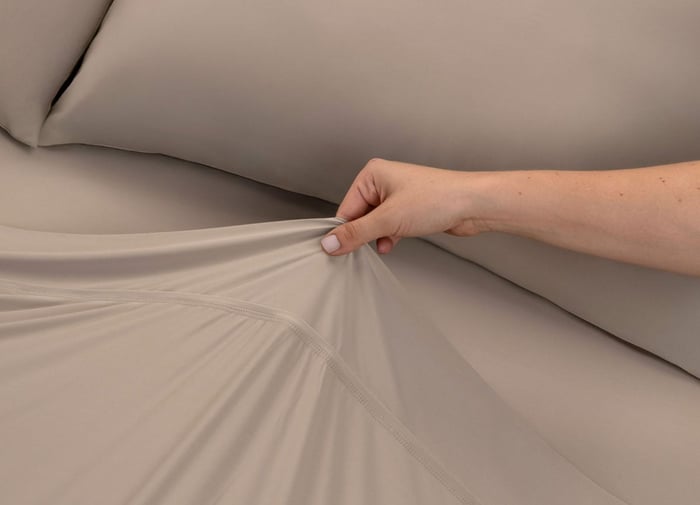
Sleep Better in 2026 With SHEEX®
Overheating at night is one of the most common causes of poor sleep, even in winter. If you or your partner sleeps hot or struggles with night sweats or hot flashes, SHEEX® is the bedding solution you need for the new year ahead.
Engineered with cutting-edge technology, SHEEX® cooling bedding actively wicks heat and moisture away from your body to enhance your body’s natural evaporative cooling process. You’ll get the best sleep of your life, guaranteed.
Start building your complete cooling sleep system with SHEEX® cooling bed sheets, pillows, cooling mattress pads, cooling comforters, and performance sleepwear.