
Table of Contents
Bedding should be stylish, but just as importantly, it should help you sleep comfortably. Your body needs a certain number of sleep cycles to feel refreshed in the morning and the right bedding can make all the difference.
If you’re a hot sleeper, you’ll want to go with cooling bed sheets designed to prevent overheating. When you’re not dealing with overheating and night sweats from heavy bedding, you’re less likely to wake up during the night.
Quality bedding is not a luxury—it’s an investment in your health. Keep reading for tips on how to choose bedding elements for your sleep sanctuary.
Different Bedding Components
Each piece of bedding plays a role in creating a comfortable, layered sleep setup. Here’s a quick breakdown of 10 different bedding components:
- Mattress Covers: A protective layer that goes over your mattress to guard against allergens, spills, and general wear.
- Fitted Sheets: A sheet with elastic edges that wraps snugly around your mattress to create a smooth, secure sleeping surface.
- Flat Sheets: A lightweight sheet that lies between you and your blanket or comforter, offering an extra layer of softness and comfort.
- Duvets: A fluffy insert filled with down or synthetic fibers, designed to provide warmth and insulation.
- Duvet Covers: A removable cover that encases the duvet, making it easy to clean and change the look of your bedding.
- Coverlets: A thinner cover layer often used for added style or light warmth.
- Quilts: A multi-layered stitched blanket offering lightweight warmth and a cozy, textured look.
- Comforters: A thick, padded layer with synthetic or down materials, used as a primary source of warmth. Comforters can be used with or without a duvet cover.
- Blankets: Versatile coverings of varying weight and warmth that can be used alone or layered with other bedding.
- Bedspread: An optional decorative bed cover that serves as the top layer over the entire bedding setup.
Not all these components are used year-round. A duvet, for example, is typically used in winter, while a lighter coverlet or quilt may be more suitable for summer.
How to Pick Bedding That’s Right for You
Bedding is highly personal, and it changes by season. Some people like lightweight sheets and blankets, others prefer thick, fluffy bedding that envelops them as they sleep.
Which bedding is best for you will depend in large part on whether you’re a hot or cold sleeper. Below, we cover the core bedding elements to help you choose.
Sheets
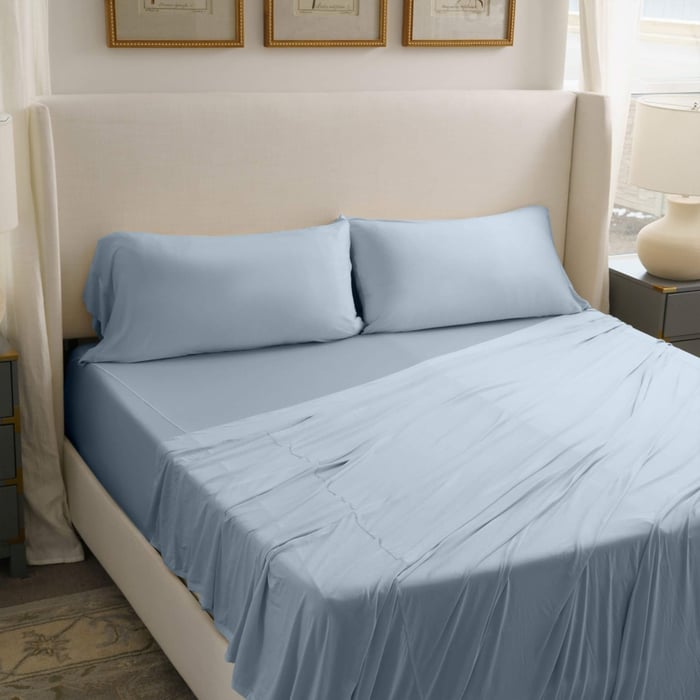
Bedsheets are the first thing your skin touches at night, so you’ll want to choose the right fabric, especially if you sleep hot. Here’s a breakdown of the most common fabrics used in sheets and what you can expect from each one:
- TENCEL™, Silk, and Satin: All three fabrics are cool to the touch and breathable, offering a smooth, luxurious feel. Sheets made from TENCEL™ Lyocell—a product made from wood pulp—is a sustainable and biodegradable option that’s naturally hypoallergenic and gentle on skin. Satin provides a similar feel but comes with a higher price tag. Silk is the most expensive of all—a pure silk sheet set can cost upwards of $800-$1,000.
- Cotton: One of the most widely used bedding materials, cotton is soft and familiar. But for hot sleepers, it’s not the best choice. Cotton tends to trap moisture, which can leave you feeling wet, sticky, and uncomfortable by morning.
- Linen: Made from the flax plant, linen is known for being strong, breathable, and naturally textured. It’s popular in warmer climates, but it behaves a lot like cotton, absorbing moisture and holding onto heat. This can leave hot sleepers feeling damp and sticky.
- Wool Flannel: Thick and insulating, wool flannel sheets are ideal in cold climates where staying warm is the goal. These sheets hold in heat extremely well, which makes them a poor choice for anyone prone to overheating at night.
- Microfiber: A synthetic fabric typically made from finely woven polyester and/or nylon fibers, microfiber is soft and budget-friendly, but most versions trap heat unless they’re specifically designed as performance bedding. Always check the label. Standard microfiber will not help with temperature regulation.
- Performance Fabric: Designed with hot sleepers in mind, performance fabric sheets by reputable brands like SHEEX® are typically made from advanced synthetic blends that prioritize airflow. They’re engineered to help regulate your body temperature and keep you dry all night long, which is why they’re a top choice for anyone who struggles with overheating.
Pillows
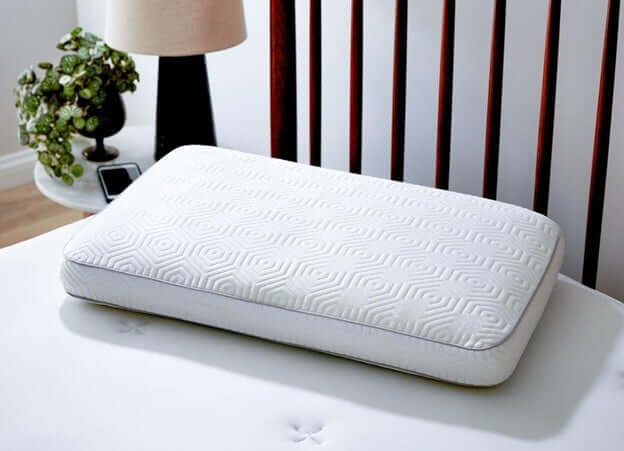
A good pillow supports your head, neck, and spine to keep you comfortable throughout the night, preventing sleep disruptions. Here’s what to consider when choosing the best pillow for you:
- Firmness: Your ideal pillow firmness depends on how much support your neck and head need. Side sleepers tend to prefer firmer pillows to fill the space between their head and shoulders, while back and stomach sleepers typically need something softer. Hybrid sleepers may want something in between, supportive yet flexible.
- Fill: The fill of your pillow will determine how well it keeps its shape and how breathable it is. Down and down-alternatives offer a soft, cloud-like feel. Open-cell memory foam and fill blends with phase-change materials, like the Infinite Zen Performance Pillow by SHEEX®, are great for hot sleepers since they minimize heat buildup through the night.
- Fabric: A pillow’s fabric covering sits directly against your skin and plays a big role in moisture control and breathability. Pillow covers made from performance fabrics wick away sweat, improve airflow, and feel cool to the touch, which makes them an ideal choice for hot sleepers.
- Design/Shape: Pillows are not one-size-fits-all. Some are shaped to cradle your neck, others offer shoulder cutouts, and some even feature dual-sided firmness levels. To avoid morning soreness or stiffness, pick a pillow designed specifically for your sleep position, whether you’re a back, side, stomach, or combination sleeper.
Mattress Pads
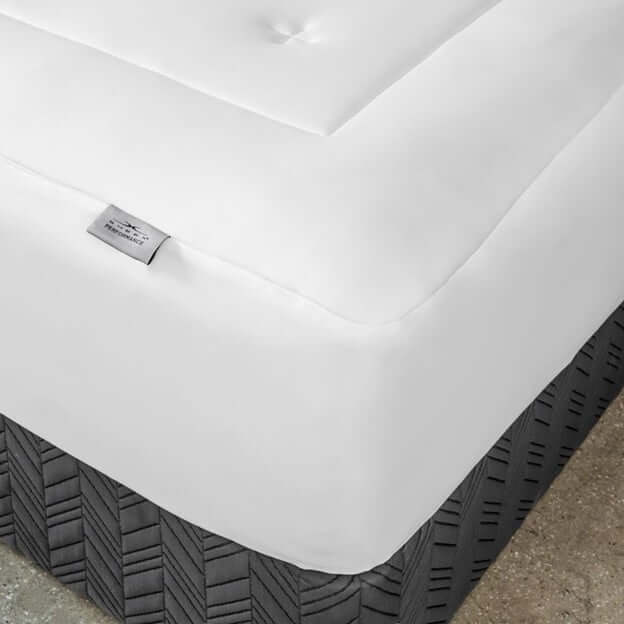
A mattress pad is the foundation of your sleep system. It adds a layer of comfort and protection between you and your mattress. Just like sheets, mattress pads come in a wide range of fabric blends, including cotton, bamboo, wool, nylon, and performance fabrics such as TENCEL™ and performance polyester. The fabric makeup matters, especially if you sleep hot or need extra moisture control.
There are two main types to consider:
- Mattress Pads: These add extra cushioning and help protect your mattress from sweat, spills, and everyday wear. While most are water-resistant, they may not be fully waterproof. If you’re a hot sleeper, look for a pad made with cooling performance fabrics that wick away moisture and promote good airflow, like the Original Performance Mattress Pad by SHEEX®.
- Mattress Protectors: These are designed to keep liquids, allergens, and bacteria out. Some options, like the Original Performance 5-Sided Mattress Protector by SHEEX®, feature a liquid-proof membrane designed to prevent damage from spills or accidents. While mattress protectors tend to be thinner than mattress pads, they provide essential protection for your bed.
Cover Layers
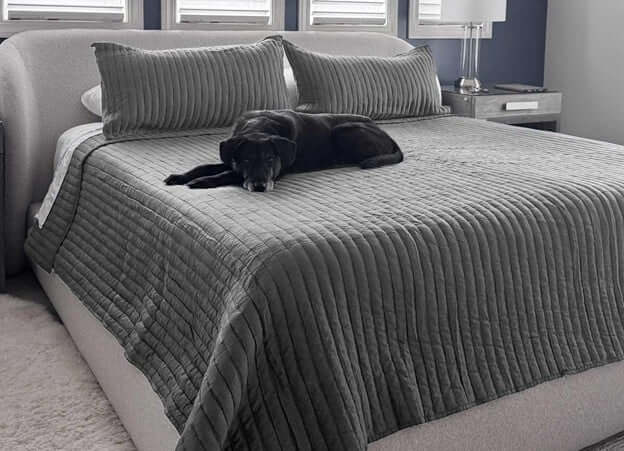
Cover layers are the essential top layer of your bedding system. They come in a variety of materials, from cotton and linen to synthetics and advanced performance fabrics. If you tend to overheat at night, a cover layer with moisture-wicking, breathable performance fabric can help keep you cooler as you sleep.
- Comforters: These plush blankets are filled with down or synthetic fibers and stitched to keep the fill evenly distributed. Great for year-round comfort when made with breathable, lightweight materials, like the cooling comforters by SHEEX®.
- Duvets: A fluffy insert similar to a comforter, usually paired with a removable cover. While the insert provides warmth, the cover sets the tone for breathability. SHEEX® offers performance duvet covers designed to wick moisture and keep you cool all night long.
- Quilts and Coverlets: These lightweight, multi-layered blankets are stitched in patterns and are typically less bulky than comforters. Quilts and coverlets are versatile and easy to layer, but traditional cotton can trap heat, so if you sleep hot, opt for a coverlet or quilt made with performance fabrics, like the Arctic Aire•MAX Washed Quilt Set by SHEEX®.
If possible, invest in different styles of bedding to give yourself options based on the seasons or your mood. Quality bedding is an investment in your health and well-being.

Build Your Perfect Sleep System With SHEEX®
SHEEX® cooling bedding is ideal for both hot and cold sleepers. The innovative performance fabrics prevent overheating but also keep you cozy and warm through every season.
Find out why SHEEX® is the best and take our SLEEP•FIT® Quiz to find out which cooling sheet set is best for you. Then start building your cooling sleep system with SHEEX® cooling sheets, pillows, mattress pads, comforters, and performance sleepwear.
Let SHEEX® Own the Night®, so you can own your day.
Arctic Aire•MAX Sheet Set

$186.75
$249.00
Description Details Care Made from naturally hypoallergenic fibers, our 100% TENCEL™ Lyocell SHEEX® Arctic Aire•MAX Sheet Sets are softer than silk and thoughtfully designed with SHEEX® CoolX™ Technology that wicks away moisture to keep your body cool and comfortable while… read more