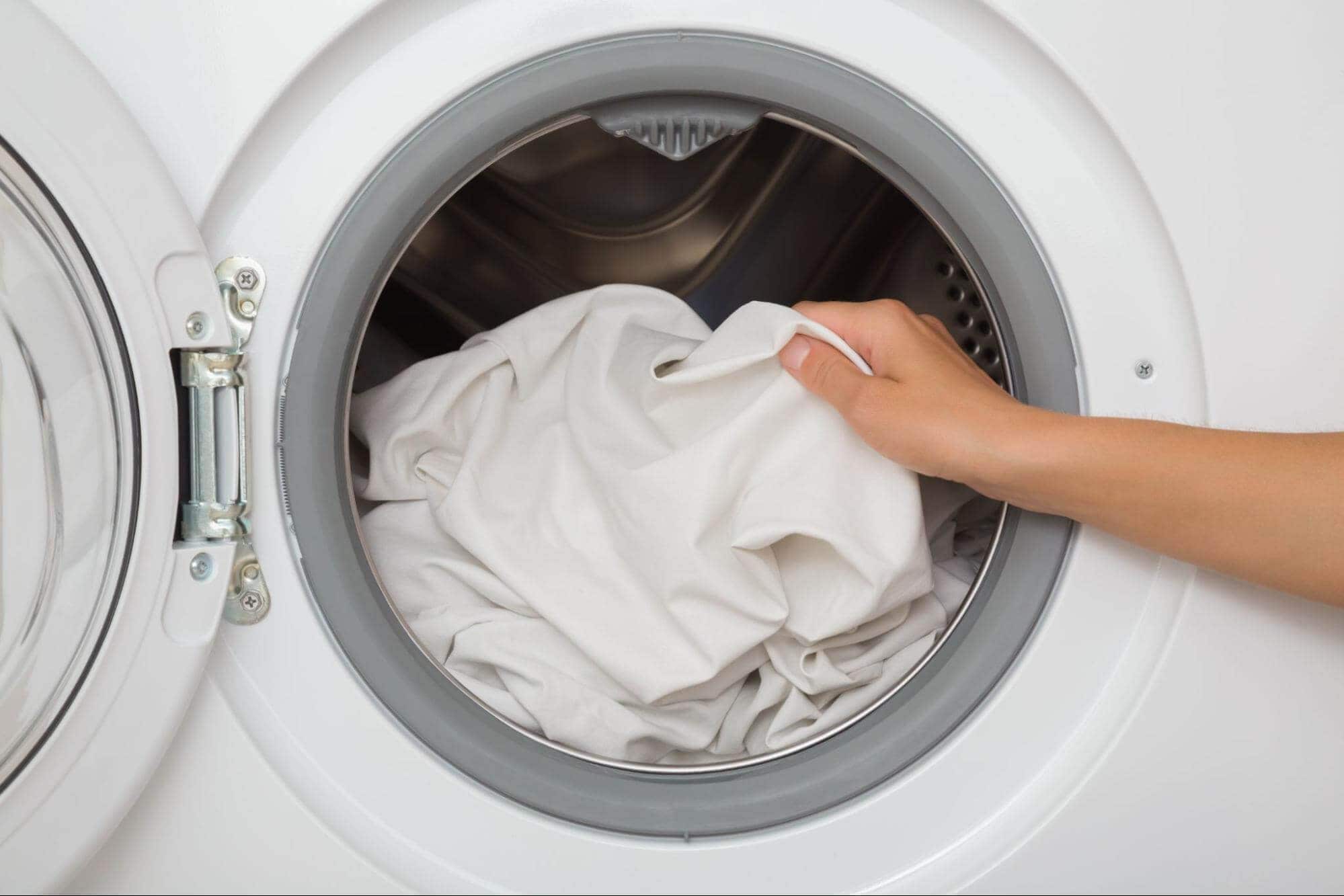
Your bedding plays a bigger role in your skin’s health than you might think. When oil, sweat, and bacteria accumulate on your pillowcases and sheets, it creates the perfect environment for skin irritation and breakouts.
Cotton sheets and pillowcases absorb oil, sweat, and dead skin cells, and the material can be rough on skin, contributing to inflammation and breakouts. The best sheets for acne are made from silky fibers that glide easily across your skin. Satiny materials also help your hair retain its natural oils—this means fewer hair tangles and less breakage.
If your skin is prone to breakouts, investing in high-quality bedding can make a big difference. Once you’ve done that, how often should you wash your sheets to avoid acne? The short answer is that most people should wash their sheets around once a week, with some exceptions.
Keep reading to find out what could be lurking in your bedding and why it’s important to wash your sheets on a regular schedule, especially if you have oily, sensitive, or acne-prone skin.
The Sneaky Stuff That Ends Up in Your Bed
Your bed should feel like a cozy retreat, but it can also be a landing zone for skin irritants. When enough of these unwelcome guests build up, they can clog your pores, which can trigger inflammation and acne flare-ups. Here are some of the most common culprits:
- Oil, sweat, and skin cells: Your skin sheds tens of thousands of skin cells every day. Add skin oils, sweat, dust mites, and even household dust and pollen, and you end up with a mix of buildup that can clog pores and irritate skin.
- Bacteria: Your pillowcases and sheets collect bacteria from your skin and hair every night. Tests show that pillowcases left unwashed for a week can contain 17,000 times more bacterial colonies than a toilet seat.
- Pet dander: If your dog or cat sleeps in bed with you, they bring more than companionship. Pets shed hair and dander and carry dirt, pollen, bacteria, and other nasties on their fur, all of which end up on your sheets and pillowcases.
Keep reading for tips on when and how often to wash your sheets and bedding.

How to Keep Bedding Clean and Skin-Friendly
Here are some general tips and guidelines to ensure your bedding isn’t contributing to skin breakouts and irritation.
Let your sheets breathe.
You might be tempted to make your bed right after waking up, but it’s better to let your bedding breathe for a bit. That’s because moisture collects in sheets during the night from sweat and body heat. Pull back the covers in the morning and allow your bedding to air out for a while. Dry sheets create a less inviting environment for bacteria and dust mites.
Change bedding once a week.
Wash your sheets on a regular schedule to prevent buildup. Aim to change your bedding at least once a week. If you deal with frequent breakouts, swap out your pillowcases every two to three days while keeping the rest of your bedding on a weekly wash cycle. Clean fabrics reduce the chance that oils and bacteria will sit against your face overnight.
Wash pillowcases more frequently.
Your face is in direct contact with your pillowcases all night, every night. Oil, sweat, makeup, and hair products can quickly accumulate, so wash your pillowcases at least once a week, or every two to three days if you have oily skin or are prone to skin breakouts. Remove makeup and hair products before bed.
Always launder bedding according to instructions.
Hot water can damage fabrics, especially the specialized performance fibers in moisture-wicking sheets and cooling pillowcases. Follow the care instructions on your bedding and skip scented detergents and fabric softeners. These products leave behind residue that can clog pores and damage performance fabrics.
Don’t forget about comforters and duvets.
Your comforter or duvet collects oils, dust, and skin cells just like your sheets, especially if you don’t use a top sheet. Wash comforters, duvet covers, and coverlets every 1-2 months to prevent buildup of bacteria, skin oils, and environmental debris.
Wash pillows periodically.
Pillows absorb sweat, oils, and allergens over time. Some pillows—like the Original Performance Down Alternative pillows by SHEEX®—are machine washable, which makes maintenance easier. Always check the care label before washing. Following the instructions protects the shape and support of the pillow.
Get the Best Sheets for Acne-Prone Skin
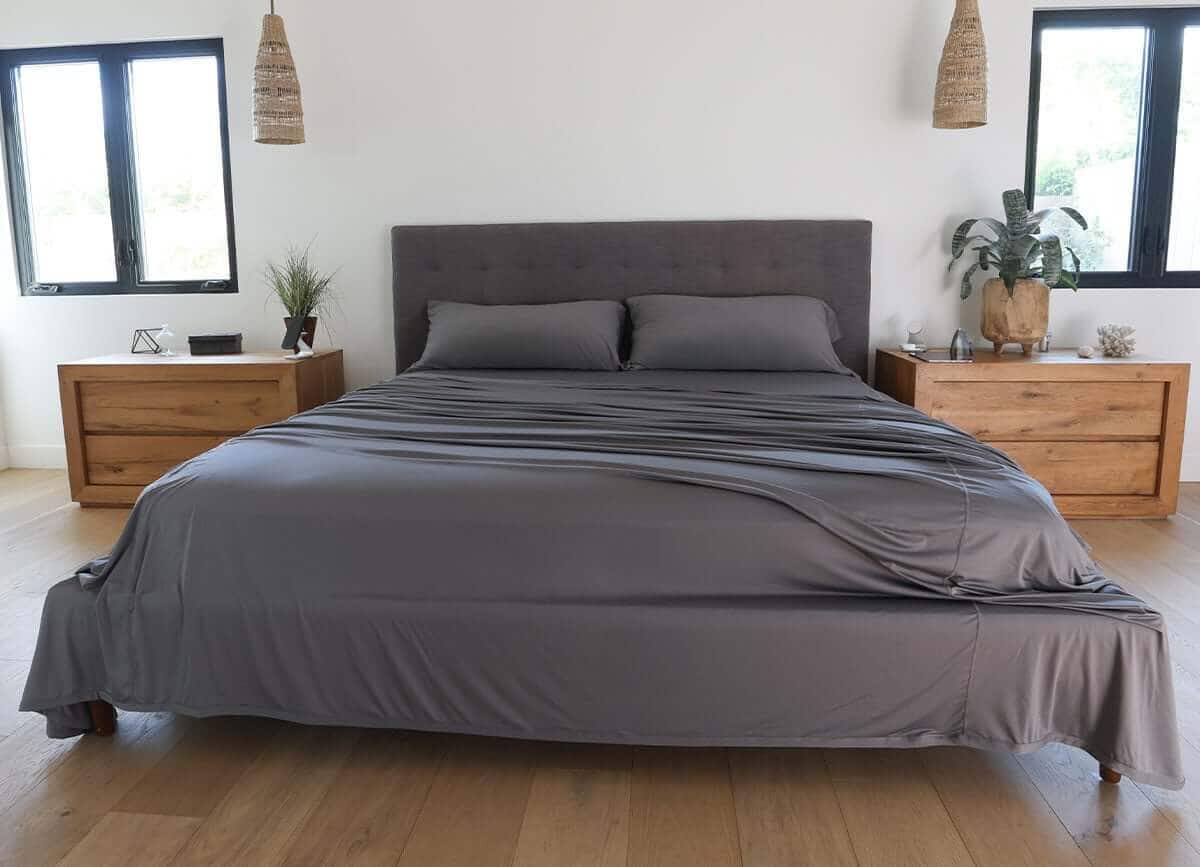
SHEEX® cooling bed sheets not only keep you cool and dry as you sleep, the Ridiculously Soft® fabrics also glide over your skin and hair. And unlike heavy cotton sheets, SHEEX® moisture-wicking sheets won’t trap sweat and skin oils, which means less overheating and fewer breakouts.
Start building your skin-friendly cooling sleep system with SHEEX® temperature-regulating sheets, pillowcase separates, cooling pillows, cooling comforters, performance mattress pads, and cooling duvet covers—all available in complementary colors.
FAQs
Can dirty sheets really cause acne breakouts?
Yes, sheets and pillowcases collect oil, sweat, bacteria, and dead skin cells that can clog pores and irritate your skin.
How often should you wash your sheets if you have acne-prone skin?
Wash your sheets at least once a week to prevent buildup of oils, sweat, bacteria, pet dander, household dust, and pollen. If you have oily or acne-prone skin, wash pillowcases more often.
Should you wash pillowcases more often than the rest of your bedding?
Your face is in contact with your pillow every night, so pillowcases are especially prone to buildup. Change your pillowcases every 2-3 days if you have acne-prone, oily, or sensitive skin.
Do certain fabrics help reduce acne or skin irritation?
Cotton is rougher on skin and more prone to trapping sweat, oil, moisture, and dead skin cells. Silkier fabrics—like the Ridiculously Soft® performance fabrics in SHEEX® bedding—glide over skin and hair and absorb less moisture, which helps reduce friction and buildup.
How often should you wash comforters and duvet covers?
Wash comforters and duvet covers every 1-2 months to remove oils, dust, and other environmental pollutants that build up over time. Always follow the care instructions on the label to avoid damaging the fabric or filling.