

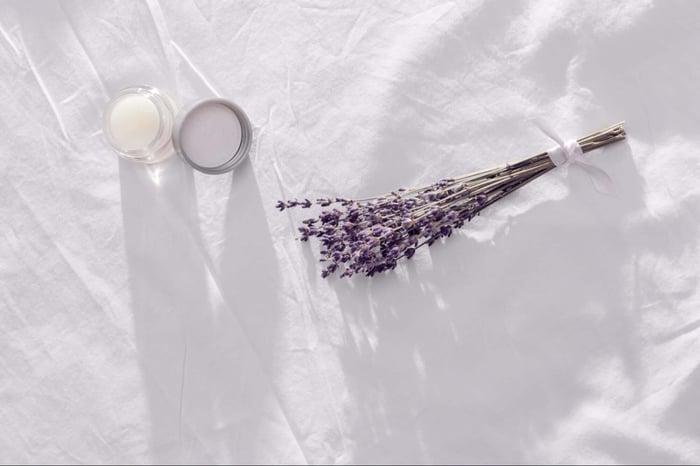
When most people think of lavender, they picture its soft purple blooms and unmistakable floral scent. Behind the familiar fragrance is a plant with a fascinating history that stretches back thousands of years. Its name comes from the Latin word lavare, meaning “to wash.” This reflects the flower’s long connection to bathing and wellness rituals.
Ancient Egyptians used lavender oil in perfumes and the mummification process, and later civilizations in Persia, Greece, and Rome added it to baths because they believed it helped refresh both body and mind. Today, you’ll find lavender in a wide range of products, from sleep aids and lotions to lavender-infused pillows.
Many brands claim it can ease stress and anxiety—but does lavender help you sleep? Keep reading as we dig into the science behind lavender and sleep and the health benefits of this prized flower. (Fun Fact: Lavender is actually a flower, an herb, and a shrub.
Health Benefits of Lavender
Research suggests lavender may support both mental and physical well-being in several ways. Here’s what the science says about the potential health benefits of lavender.
Sleep/Insomnia
Lavender has a long history as a natural sleep aid. While people once stuffed dried flowers into their pillows, with today’s lavender-infused pillow options, you can drift off to the soothing scent of lavender without all the mess.
Modern research shows the tradition has real value. A systematic review of 15 studies found that inhaling essential oils—including lavender—may help people with mild sleep disturbances. Research from 2015 found that participants who used lavender aromatherapy felt more refreshed after waking, and a study involving midlife women with insomnia linked 20 minutes of lavender inhalation with improved sleep quality.
While lavender isn’t a sedative, its calming effects can ease stress, anxiety, and restlessness. When your body is in a relaxed state, it’s easier to fall asleep, and you’re more likely to sleep through the night.
Mental Health
Research has shown that lavender affects the parasympathetic nervous system, which helps your body shift out of stress mode. Lavender can help slow your breathing, lower your heart rate, and reduce adrenaline levels, bringing your body back to a calmer state. That may be why the scent of lavender feels so relaxing at bedtime.
Lavender may also give your mood a gentle lift. Studies have shown that it can complement treatment for anxiety, stress, and mild to moderate depression. One study involving female college students found that lavender aromatherapy improved both insomnia and depression.
Other research found that inhaling lavender helped older adults sleep better and experience less stress and depression. And the research looks promising for depression, too. A small 2016 study found that lavender aromatherapy helped prevent stress, anxiety, and depression after childbirth.
While lavender shouldn’t replace professional mental health care, it can be a helpful addition to a broader treatment plan.
Skin Health
Studies have shown that lavender may help with acne, minor burns, and skin conditions such as eczema and psoriasis.
Its antimicrobial properties can help protect the skin from certain bacteria, while two naturally occurring compounds, linalool and linalyl acetate, help fight inflammation. Together, these properties may calm irritation, reduce redness, and support the skin’s healing process.
Lavender may also support the skin’s natural repair process. A review of 20 studies found that lavender oil helped wounds heal faster by encouraging collagen production and supporting the formation of new skin tissue.
These are just some of the health benefits of lavender. Research has also found that lavender can help soothe headaches and migraines, and aromatherapy with lavender may even help people manage the side effects of chemotherapy, including anxiety, nausea, and vomiting.
Using Lavender for Sleep
Lavender is a favorite bedtime sleep aid, and it’s easy to incorporate it into your routine. Its gentle aroma and soothing properties help quiet your mind and ease tension to help you drift off naturally. Whether you prefer scent‑based rituals, supplements, or lavender-infused beauty products, you have many options to explore. These include:
- Dried lavender: Tuck dried buds into sachets and steep them in warm water to create a calming pre‑bedtime steam. The soft, natural scent subtly cues your body that it’s time to wind down.
- Essential oil: Add a few drops to a diffuser or mix a few drops of pure lavender essential oil in water to create a room spray. Or dab a diluted blend onto your wrists for a gentle aromatic lift.
- Lavender‑infused pillows: The next innovation in bedding, pillows infused with natural lavender oil and other essential oils release a subtle scent that helps you relax as you settle in. It’s an easy way to incorporate lavender into your healthy sleeping routine.
- Topical oils: Massage lavender oil (always diluted) onto your temples, neck, or wrists to promote relaxation. The combination of scent and touch relaxes your muscles before bed.
- Capsules: Oral supplements offer a controlled dose and may support sleep quality when used consistently. They’re a good option if you prefer a scent‑free approach but still want to get the benefits of lavender.
- Teas: Sip lavender tea in the evening to help your body unwind and prepare for sleep. Warm herbal blends are a comforting wind‑down ritual.
- Tinctures: Add a few drops to water for a fast‑acting, easy‑to‑measure option. Tinctures are ideal when you want a quick, simple way to incorporate lavender into your wind-down routine.
- Beauty products: Creams, lotions, and salves infused with lavender can create a soothing bedtime ritual that signals your body to slow down. Apply them after a warm shower to boost the calming effect.
Lavender won’t put you to sleep like a prescription or over-the-counter sleep aid, but it can help you transition into a calmer, more restful state before bed. And with so many ways to use it, you can choose the form that fits naturally into your nightly routine.
While lavender is considered safe, be careful of the dosage, and check with your doctor or healthcare provider before starting a new regimen—especially one with oral and topical products or supplements.
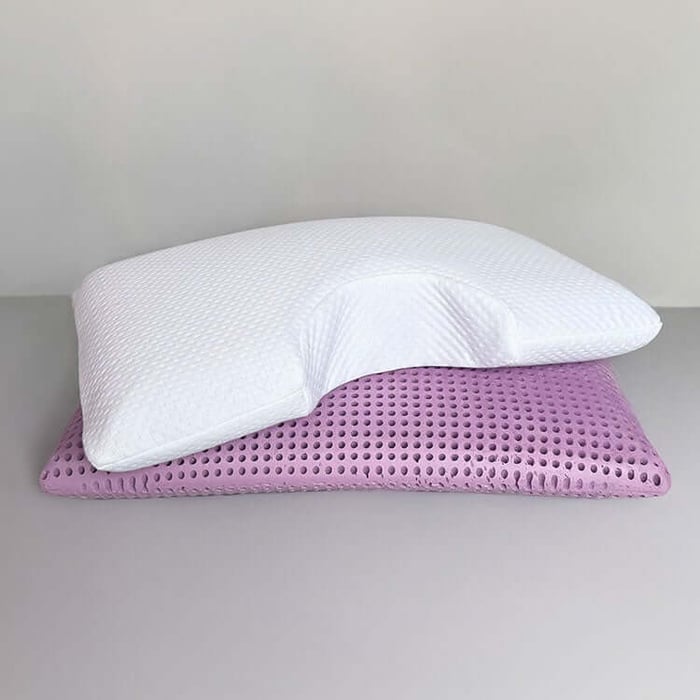
Sleep Soundly With SHEEX® SleepScents™ Lavender-Infused Pillow
Transform your bedtime routine with the SHEEX® spa-inspired SleepScents™ Lavender-Infused Pillow. The cooling memory foam core is infused with calming lavender essential oils, releasing a subtle, calming aroma as you sleep.
Ventilated quick-recovery memory foam adapts to your unique shape, cradling your head and neck with consistent support while promoting continuous airflow for a cool, balanced sleep surface. If you’re ready to enjoy deeper relaxation and wake up feeling more refreshed, discover how this innovative pillow can help create the restful sleep experience you’ve been looking for.