
Athletes push their bodies to the limit, and every second counts. Sometimes, all that separates first place from second is the power behind a single stride. While some athletes swear they can get by with 4 or 5 hours of sleep thanks to adrenaline on game day, the science is unequivocal: sleep deprivation hurts athletic performance.
Below, we dive into the best bedtime routines for athletes. Whether you’re an aspiring athlete or simply looking for ways to get more out of each training session, you’ll see science-backed strategies the pros use to get more hours of deep, restorative sleep.
The Science Behind Sleep and Athletic Performance
There’s no doubt that training to win takes strength and skill, but you also need high-quality sleep. As you sleep, your body repairs muscle tissue, balances hormones, and consolidates memories.
The adrenaline of competition isn’t enough to overcome sleep deprivation. Adults need 7-9 hours of quality sleep every night for optimal health. Elite athletes need just as much, if not more, than the average adult.
Dr. Cheri Mah, a sleep scientist at the Stanford Sleep Medicine Center, has spent years studying how sleep affects athletes. In a 2024 interview, she highlighted research from a sleep study involving NBA athletes.
Dr. Mah and her team had the athletes extend their nightly sleep to 9-10 hours to see what impact it would have on performance. The difference was noteworthy. Players who got 9-10 hours of sleep per night saw a 9% improvement in free-throw accuracy and three-point shooting, a 12% boost in reaction time, and a 4% improvement in sprint speed.
Dr. Mah’s advice is straightforward: prioritize at least 7 hours of sleep each night. This habit lays the groundwork for better recovery, sharper focus, and stronger performance on the field or court.
Bedtime Routines for Top Athletic Performance
Your pre-sleep rituals can shape how well you recover each night. You don’t need to use every strategy on this list, but combining a few that fit your lifestyle can help you get the quality sleep your body needs.

Set up your sleep sanctuary.
Athletes dealing with travel, jet lag, and noisy team accommodations know the importance of a good sleep environment. Pro athletes often travel with blackout curtains, earplugs, and even performance bedding to ensure quality rest, wherever they are. Here’s how to optimize your sleep space like a pro:
- Keep the bedroom cool (60-67°F) to promote natural temperature drops
- Block out artificial light with blackout curtains or a sleep mask
- Use cooling bedding to prevent overheating at night
- Use earplugs or a white noise machine to drown out distractions
Bring performance sleepwear, cooling pillowcases, and a cooling sleep mask with you on your travels to stay cooler on the road.
Masque de sommeil rafraîchissant haute performance original + pochette de voyage

$20.00
$25.00
Description Détails Soins Le masque de sommeil rafraîchissant Original Performance, accompagné de sa pochette de voyage, est confectionné dans le même tissu que notre ensemble de draps ultra-doux Original Performance et conçu pour offrir à vos yeux une protection apaisante… read more
Power down your tech.
Many top athletes swear by a digital curfew. LeBron James, for example, is known for putting his phone away 30-45 minutes before bed. Screens emit blue light, which can interfere with the natural release of melatonin. By cutting out tech, athletes make it easier for their bodies to transition into sleep mode. Instead, they often use this time for:
- Reading a book to settle their mind
- Listening to calming music or guided meditations
- Light stretching or foam rolling to release tension
If screen use is unavoidable, wear blue light–blocking glasses or use apps that reduce blue light exposure.
Manage your hydration.
Elite athletes are meticulous about their hydration schedules, and for good reason. Dehydration can hamper overnight recovery, but late-night water overload can lead to sleep-disrupting bathroom trips. Olympic athletes typically drink most of their fluids during the day and taper off by evening. Follow this strategy to avoid nighttime wakeups:
- Drink most of your water before dinner
- Limit fluids one to two hours before bed
- Avoid alcohol and sugary or caffeinated beverages at night
This routine keeps muscles hydrated so they can repair overnight without sabotaging sleep.
Calm your mind.
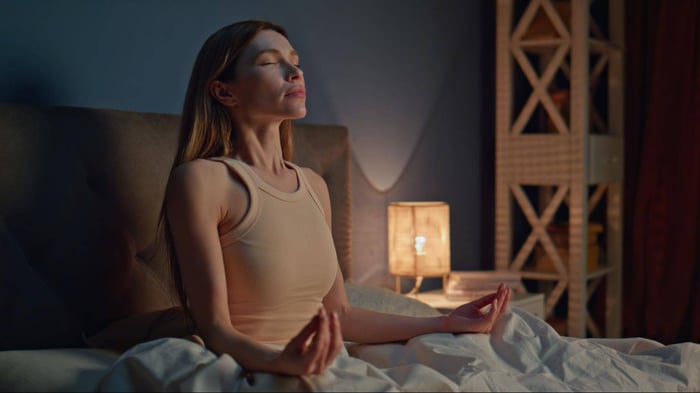
Pre-competition jitters and the pressures of high-stakes performance can keep athletes awake. To combat this, many turn to meditation, breathing techniques, and mindfulness. Olympic gymnast Simone Biles and tennis champion Novak Djokovic are just two athletes who use deep breathing and visualization to quiet anxiety. Typical routines include:
- Breathing exercises: inhaling for four counts, holding for four, and exhaling for four
- Visualization techniques: picturing a successful performance
- Journaling: jotting down worries or gratitude lists before sleep
Try these strategies to clear your mind before bed and set the stage for restorative sleep.
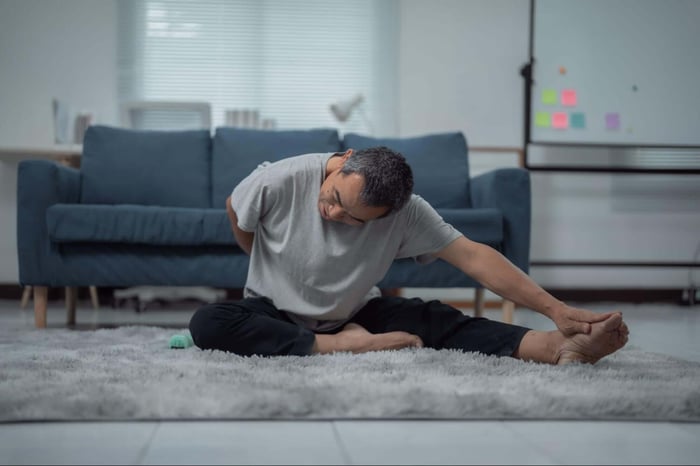
Ease into sleep with gentle movement.
Even with their demanding schedules, many athletes avoid late-night training because they know intense activity raises core temperature and ramps up stress hormones.
Swap out intense nighttime workouts with gentle stretching or yoga an hour before bed. Or try using a foam roller to relax tight muscles.
Avoid strenuous exercise 2-3 hours before bed. This helps the body shift out of “fight-or-flight” mode, so you can fall asleep more easily and wake up feeling less sore.
Choose light evening snacks.
Digestive comfort is a priority for athletes, especially those with early morning practices or events. Avoid heavy meals and fatty foods at night, which can cause heartburn or worsen GERD, disrupting your sleep. Instead, opt for light, balanced snacks such as:
- Greek yogurt for protein and slow-release carbs
- A handful of almonds for healthy fats and fiber
- A banana with a tablespoon of nut butter for magnesium and tryptophan
Steer clear of caffeine, chocolate, and spicy foods that can disturb sleep.
Stick to a consistent sleep schedule.
Athletes perform best when their internal clock is stable. Serena Williams, for example, reportedly maintained a strict sleep schedule during her career, even during competitions. Here’s what she told Glamour magazine about her sleep schedule in 2021:
“My sleep schedule typically doesn’t change much even if I’m in the middle of a tournament. I always strive to get eight hours, but I’m definitely a bit of a night owl. I typically go to sleep around 11 p.m. or midnight so I can get my eight hours in, but it’s important for me to start my nighttime routine early so I can wind down and relax [since] it’s hard for me to turn my brain off. However, I know sleep is extremely important to help the body heal, so I always try to get eight hours of sleep.”
Sticking to a sleep schedule anchors the body’s circadian rhythm. Try to keep your bedtime and wake-up time consistent and avoid dramatic schedule changes on weekends or rest days.
Ensemble de feuilles de performance originales

$199.20
$249.00
Description Détails Soins Mettez fin à la surchauffe et aux autres fluctuations de température qui perturbent le sommeil et commencez à bénéficier des excellentes nuits de sommeil dont votre corps a besoin pour fonctionner au maximum de ses capacités. Nos… read more
Cool down before bed.
Many athletes use a warm shower or bath in their pre-sleep routine. Though it raises body temperature temporarily, the rapid cooldown afterward tells the body it’s time for sleep. That’s because our bodies naturally cool down at night and while we sleep. To cool down before bed:
- Take a warm shower or bath 90 minutes before bed
- Follow up your bath or shower by sitting in a cool, dimly lit room for maximum effect
- Invest in performance bedding that prevents sleep-disturbing overheating and night sweats
A pre-bed cool-down routine can help calm your body so you fall asleep faster and stay asleep.
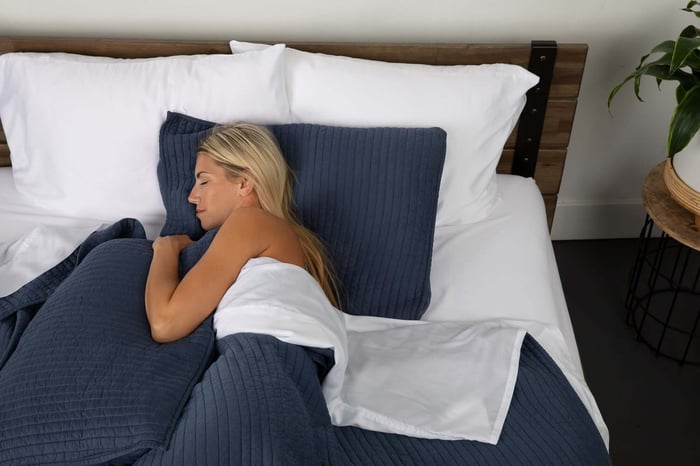
Get Better Sleep With SHEEX® Cooling Bedding
Good sleep is the foundation of athletic performance and recovery, and it starts with better bedding. Modeled after top athletic wear, SHEEX® cooling bedding features cutting-edge performance fabrics engineered to wick away moisture and body heat through advanced capillary action, for cooler, more comfortable sleep.
Find out why SHEEX® is the best and start building your cooling sleep system with SHEEX® cooling mattress toppers, moisture-wicking sheets, cooling pillows, comforters, and performance sleepwear. Or opt for our exclusive bedding bundles for a complete bedding set.
With SHEEX®, you’ll wake up refreshed and ready to take on the next match, game, or performance with confidence!